.svg)


%201.svg)
Key Takeaways
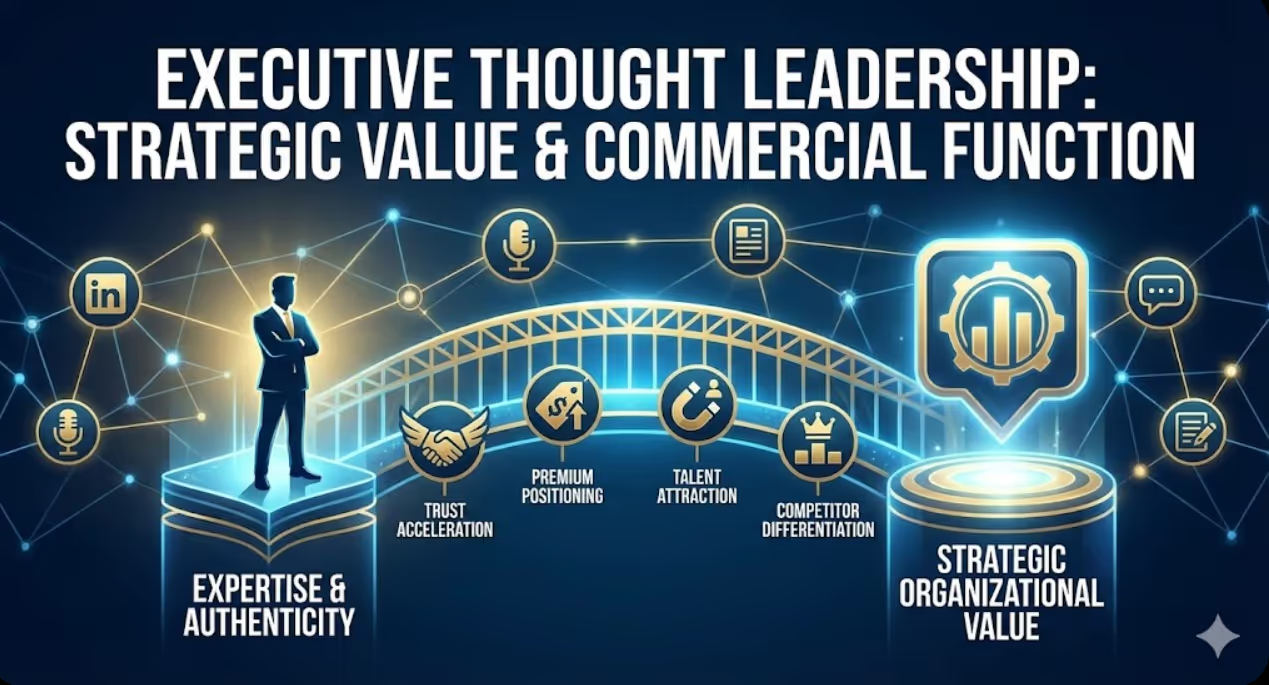
- Executive thought leadership builds organisational competitive advantage through personal authority that differentiates beyond product features, pricing, and company credentials alone
- Effective thought leadership programmes identify executive's genuine expertise intersection with audience information needs, creating authentic positioning that contrasts with performative expertise lacking substance
- Core thought leadership formats include LinkedIn articles, industry publication bylines, conference presentations, podcast appearances, and original research that collectively build multi-platform authority profiles
- Consistency and strategic focus deliver thought leadership results—executives publishing regularly within defined expertise areas build recognition faster than those publishing sporadically across broad topics
- Measuring thought leadership effectiveness requires tracking media mentions, speaking invitations, inbound opportunities, and sales conversation influence rather than vanity metrics like follower counts alone
Two Melbourne management consultants possessed comparable expertise, similar credentials, and equivalent track records. One published weekly LinkedIn articles sharing genuine client insights (anonymised appropriately), spoke at two industry conferences annually, contributed quarterly bylines to a respected Australian business publication, and appeared regularly on an industry podcast. The other occasionally posted LinkedIn updates when prompted by marketing team reminders, declined most speaking invitations citing time constraints, and never pursued media opportunities.
Three years later, the outcomes diverged dramatically. The visible consultant attracted inbound client inquiries regularly, commanded premium fees justified by perceived authority, received media calls when journalists needed expert commentary, and generated referrals from peers who shared content with their networks. The invisible consultant—equally capable—competed primarily on price, rarely attracted inbound opportunities, and remained unknown beyond direct client relationships.
The difference wasn't expertise. It was systematic visibility. Thought leadership content transformed comparable knowledge into demonstrable, public authority that prospects, peers, and media could discover, evaluate, and trust before ever speaking with the consultant directly.
According to research from Edelman and LinkedIn, 61% of decision-makers say thought leadership content is more effective at demonstrating potential value than traditional marketing, with 64% reporting that an organisation's thought leadership content directly influenced their decision to award business.
Understanding Executive Thought Leadership Strategic Value
Genuine thought leadership delivers organisational value beyond personal reputation building, making strategic understanding of its commercial function essential before programme development begins.
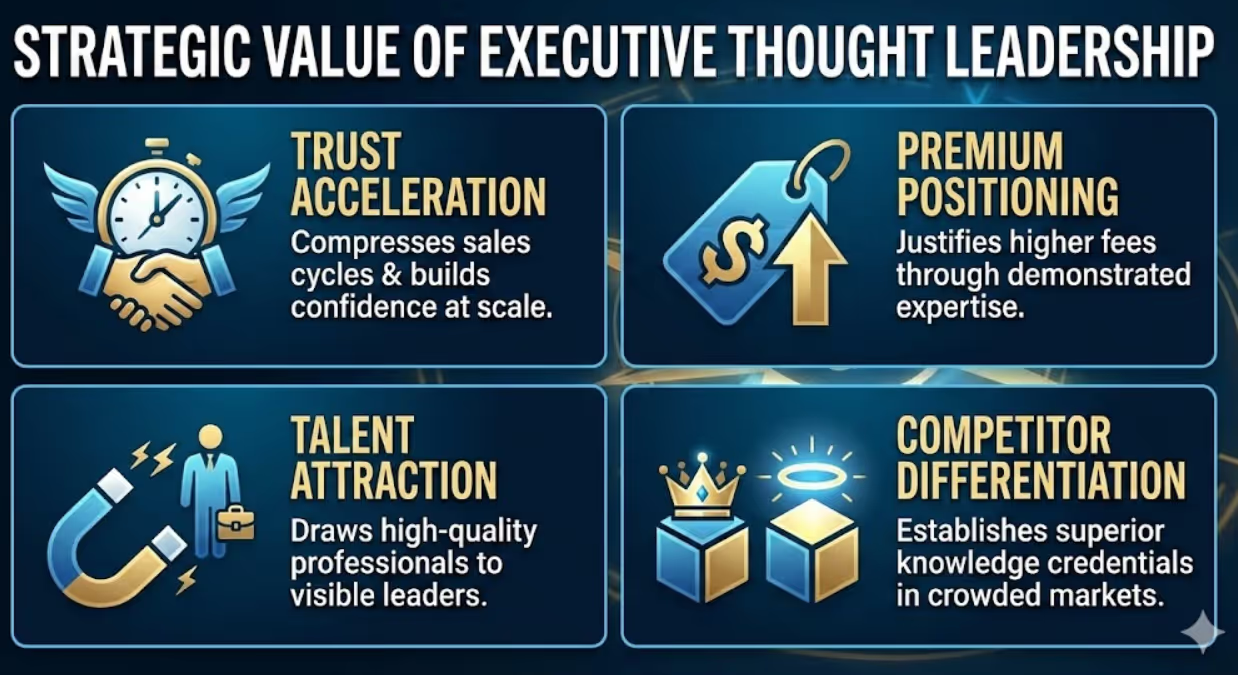
Trust acceleration represents thought leadership's primary commercial function. B2B purchasing decisions involve significant trust requirements—buyers commit substantial budgets based on confidence in vendor capability. Traditional trust building requires extended direct relationships. Thought leadership accelerates trust building at scale by demonstrating expertise publicly before direct relationships form. Prospects reading executive insights over months develop familiarity and confidence that cold sales outreach requires years to establish. Trust acceleration compresses sales cycles whilst improving conversion rates from warmer prospect relationships.
Premium positioning justification enables pricing above commodity alternatives. When executives demonstrate genuine expertise through consistently insightful published content, their organisations can command premium fees justified by documented knowledge depth. Prospects who've consumed executive thought leadership enter sales conversations already convinced of superior expertise—price objections diminish when perceived value differential is established through content before pricing discussions begin. Australian professional services firms with prominent thought leaders consistently command 20-40% fee premiums over comparable competitors lacking public expertise profiles.
Talent attraction advantages extend thought leadership benefits beyond client development. Exceptional professionals want to work with recognised industry leaders—executive thought leadership attracts high-quality candidates who seek association with visible expertise rather than anonymous organisations. Recruitment marketing benefits from genuine thought leadership that demonstrates organisational knowledge culture, intellectual environment, and industry standing that employer branding campaigns can't replicate authentically.
Media relationship development creates ongoing PR value beyond individual opportunities. Journalists and editors seeking expert commentary return consistently to executives who've established clear expertise positions through published content. Initial media relationships earned through proactive thought leadership create ongoing quote and commentary opportunities that maintain visibility without continuous outreach effort. Australian financial media, business press, and industry publications regularly feature the same recognised experts—systematic thought leadership creates inclusion in these recurring expert pools.
Competitor differentiation through expertise positioning addresses market commoditisation. Industries where competitors offer comparable products, services, and pricing can be differentiated through executive thought leadership establishing superior knowledge credentials. Prospects comparing similar vendors frequently award preference to organisations whose leaders demonstrate visible expertise—all else being equal, demonstrated knowledge tips decisions toward thought leaders. Thought leadership creates subjective differentiation when objective differentiation is difficult.
Sales conversation transformation shifts discussions from vendor evaluation to peer consultation. Prospects familiar with executive thought leadership enter conversations with established respect rather than sceptical evaluation. Sales conversations with recognised thought leaders focus on applying expertise to prospect challenges rather than proving basic competence. This consultation dynamic produces better business outcomes—thought leader sales conversations generate larger engagements, more genuine needs assessment, and stronger client relationships than commodity vendor interactions.
Identifying Executive Expertise and Authentic Positioning
Effective thought leadership requires genuine expertise in clearly defined areas—fabricated authority built on shallow knowledge collapses under scrutiny and damages rather than builds credibility.
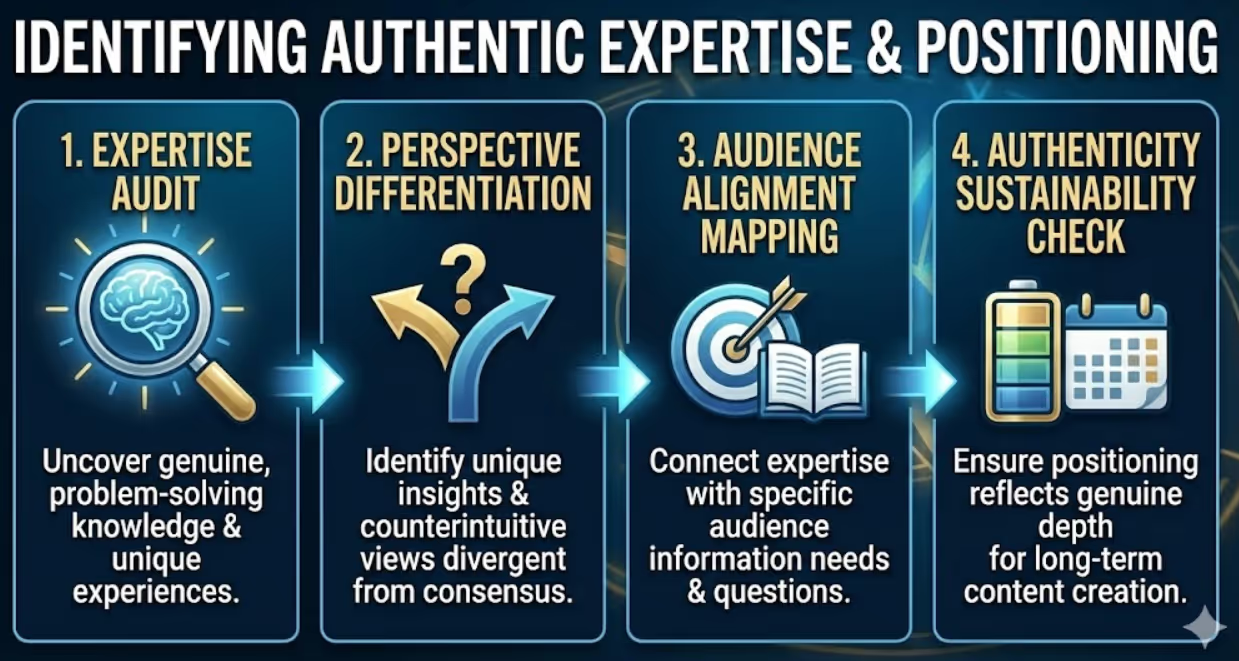
Expertise audit identifies authentic authority foundations. Examine executive's career experience identifying problems repeatedly solved, industries deeply understood, approaches that consistently deliver results, and perspectives differing meaningfully from mainstream consensus. Genuine thought leadership emerges from this authentic expertise intersection—not from identifying what seems impressive but from documenting what the executive actually knows better than most. Authenticity audit questions include: What do clients most frequently seek this executive's specific opinion on? What questions can this executive answer that most peers couldn't? What experiences have shaped perspectives unavailable without similar history?
Perspective differentiation analysis identifies what makes executive viewpoint worth public attention. Thought leadership requires perspective beyond restating industry consensus—audiences can access conventional wisdom everywhere. Examine where executive genuinely disagrees with mainstream thinking, what counterintuitive insights experience has produced, which industry assumptions this executive questions based on evidence, and what future developments they see that others miss. Differentiated perspective is thought leadership's core value proposition—executives whose content agrees with everything everyone else says provide no distinctive reason for audiences to follow them specifically.
Audience alignment mapping connects executive expertise with specific audience information needs. Identify primary thought leadership audiences (target client profiles, industry peers, media, talent prospects), document their specific information challenges and questions, map executive expertise against these information needs, and identify intersections where genuine knowledge meets genuine audience appetite. Thought leadership positioned at this intersection serves dual purpose—building authority whilst providing content audiences actually want rather than content executives want to share.
Competitive positioning research identifies available authority positions within target industries. Analyse existing thought leaders in your sector, identify topics they own thoroughly, find expertise gaps where no recognised authority exists, and assess where executive's genuine differentiation creates positioning opportunity. Attempting to out-think established thought leaders on their signature topics rarely succeeds—identifying adjacent positions or under-served audiences creates more accessible authority opportunities. First mover advantage in specific niches outperforms late entry into crowded topic areas.
Authenticity sustainability assessment ensures positioning can be maintained long-term. Thought leadership requiring executives to perform expertise beyond their genuine knowledge creates unsustainable pressure and eventual credibility damage when knowledge limitations become apparent. Sustainable positioning reflects actual depth—executives writing about what they genuinely know can sustain consistent publishing without exhausting material, whereas positioning based on surface familiarity quickly reveals its shallowness. Assess whether identified positioning can support consistent content creation for 2-3 years before committing to public positioning.
Executive participation appetite determines programme viability. Thought leadership requires genuine executive investment—sharing real insights, participating in interviews, appearing at conferences, engaging with comments and responses. Programmes built on ghostwritten content executives barely recognise as their own produce inauthenticity audiences detect. Assess executive's genuine willingness to invest time, share perspectives, and engage publicly before building programmes requiring sustained participation that reluctant executives won't maintain.
Core Thought Leadership Content Formats
Different formats serve distinct thought leadership functions, with comprehensive programmes typically combining multiple formats building multi-dimensional authority profiles.
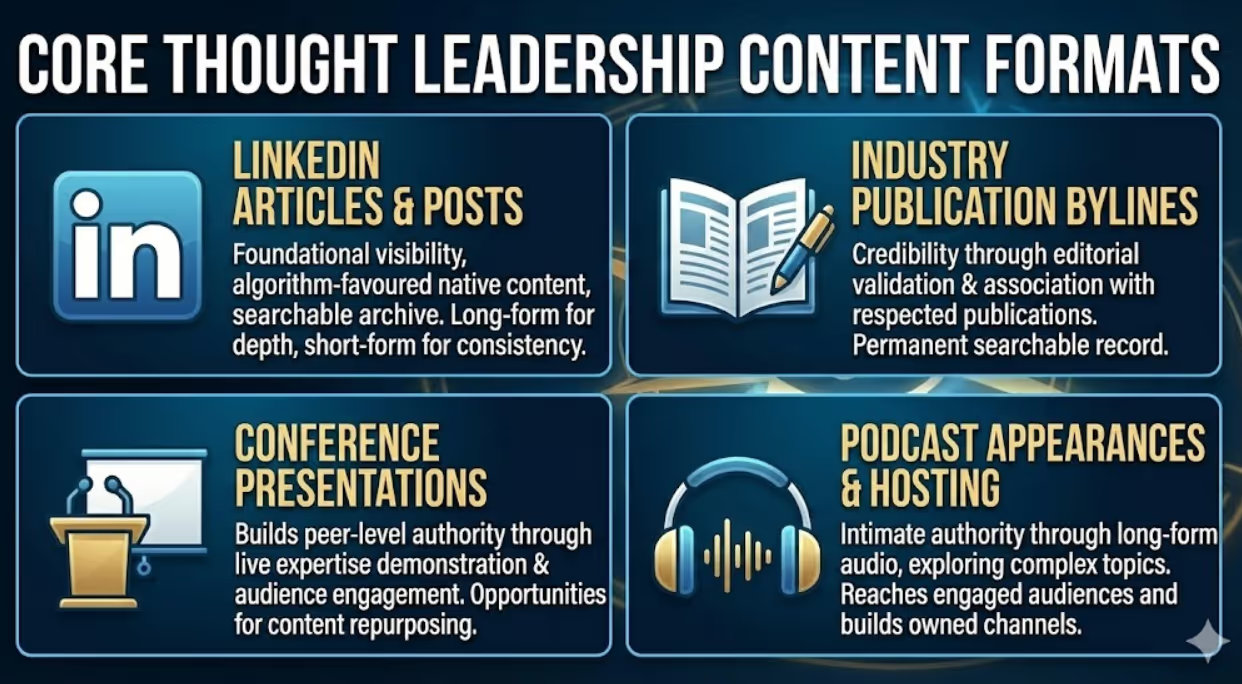
LinkedIn articles and posts provide foundational thought leadership visibility for most Australian executives. LinkedIn's professional audience, algorithm favouring native content, and searchable archive make it primary thought leadership platform for B2B executives. Long-form LinkedIn articles (800-1,500 words) addressing substantive topics demonstrate genuine expertise depth, reach professional audiences during content consumption, and accumulate searchable archive building discoverable authority profiles. Short-form posts (150-300 words) sharing specific insights, observations, or commentary maintain consistent presence between articles. According to LinkedIn's own research, executive content on LinkedIn generates 2x higher engagement than company page content, making personal publishing significantly more effective than corporate content amplification alone.
Industry publication bylines establish credibility beyond self-published content. Appearing in respected Australian industry publications (Financial Review, Australian Business Review, sector-specific trade publications, professional association journals) carries editorial validation unavailable from owned channels. Editors selecting byline contributors implicitly endorse author expertise—publication association transfers credibility. Byline strategy requires pitching genuine insights rather than promotional content, maintaining editorial standards that publications require, and building relationships with editors enabling ongoing contribution. Regular bylines in respected publications create permanent searchable record of expert credibility.
Conference presentations build authority through live expertise demonstration. Speaking at respected Australian industry conferences establishes peer-level credibility unavailable through written content—audiences experiencing compelling presentations form strong positive associations with presenter authority. Speaking strategy requires identifying relevant conferences where target audiences gather, developing signature presentations addressing genuine audience challenges, building speaking track records from smaller venues toward major conferences, and leveraging conference appearances for content repurposing (presentation recordings, article adaptations, social media content). Australian conference circuits in most industries are relatively concentrated—breaking into speaking rotations requires initial persistence rewarded by repeat invitations once credibility is established.
Podcast appearances and hosting build intimate authority through long-form audio. Podcast format enables extended exploration of perspectives that brief written content or conference presentations cannot accommodate—listeners develop strong affinity with voices they've heard thinking through complex topics authentically. Guest appearances on established Australian industry podcasts reach existing engaged audiences immediately. Hosting proprietary podcasts builds owned audience whilst positioning executives as conveners of industry conversations. Podcast content also repurposes efficiently into written articles, social media clips, and newsletter content extending reach across additional formats.
Original research and reports create highest-authority thought leadership through unique data and insights. Executives associated with original industry research earn citation, media coverage, and conference invitations that opinion content rarely generates. Research reports demonstrate genuine intellectual investment, provide quotable statistics that other publishers reference, and create content assets justifying sustained media and peer attention. Australian businesses can conduct cost-effective research through online surveys with existing clients and industry contacts, analysis of available industry data producing new insights, and synthesis of diverse data sources revealing patterns others haven't documented.
Media commentary and expert quotes build authority through third-party validation. Being quoted in respected publications as expert source provides credibility endorsement that self-published content cannot replicate. Building media relationships requires proactive journalist outreach (offering expertise for relevant stories), responsive media engagement (returning calls quickly when journalists reach out), developing clear spokesperson positioning that journalists can reference, and consistently delivering valuable, quotable insights that justify repeated engagement. Australian business journalists maintain small expert contact lists—securing inclusion requires initial outreach followed by reliable value delivery.
Video content and webinars increasingly serve thought leadership functions across Australian professional audiences. LinkedIn native video and YouTube thought leadership content reaches visual learners whilst demonstrating confidence and personality that written content can't convey. Executive video content can address current developments with immediacy that publishing timelines prevent, enabling responsive positioning on breaking industry issues. Webinars combine thought leadership demonstration with lead generation, attracting self-qualified audiences willing to invest an hour engaging with executive expertise.
Content Development and Ghostwriting Considerations
Most executives lack time to translate genuine expertise into consistent published content—content support systems enable thought leadership without requiring executives to become full-time writers.
Ghostwriting ethical framework clarifies appropriate content support boundaries. Ghostwriting is entirely legitimate in business contexts—executives providing genuine insights and perspectives that skilled writers develop into publishable content authentically represents the executive's thinking. Problematic ghostwriting invents perspectives executives don't hold, fabricates experiences they haven't had, or publishes content executives couldn't defend in conversation. Ethical ghostwriting captures and develops authentic executive voice, ideas, and experiences into polished content maintaining genuine representation. Australian executives should be comfortable defending ghostwritten content in conversation—if they couldn't, content misrepresents them.
Interview-based content extraction efficiently captures executive insights for written development. Structured 30-60 minute interviews with executives covering specific topics, recent experiences, current perspectives, and emerging observations provide raw material for skilled writers to develop into polished content. This approach respects executive time whilst capturing authentic voice and genuine insights. Interview transcripts provide source material enabling multiple content pieces from single conversations—articles, social posts, newsletter content, and presentation talking points can all emerge from well-conducted executive interviews.
Executive voice documentation enables consistent authentic ghostwriting. Develop written style guide capturing executive's characteristic phrases, preferred terminology, common examples and analogies, communication tone (formal/informal, confident/humble, technical/accessible), and habitual structural approaches. Voice documentation enables ghostwriters to produce content executives recognise as genuinely theirs rather than foreign-feeling marketing copy. Extensive review of existing executive communications (emails, presentations, interview recordings) provides raw material for voice documentation.
Review and approval processes maintain authenticity whilst enabling efficient production. Establish clear review protocols where executives evaluate ghostwritten content for accuracy, authentic voice, and positioning alignment rather than performing comprehensive rewrites. Efficient review focuses on substance and authenticity rather than stylistic preferences—executives should confirm content represents their genuine perspective rather than rewriting for personal style. Brief turnaround commitments (24-48 hour review cycles) maintain content production momentum that extended review periods disrupt.
Content calendar integration connects executive thought leadership to broader organisational publishing programmes. Coordinate executive content timing with company announcements, industry events, seasonal themes, and campaign priorities ensuring thought leadership reinforces rather than conflicts with organisational messaging. Content calendar integration also enables team support—knowing upcoming topics in advance allows research support, interview scheduling, and visual content preparation that last-minute production cannot accommodate.
Distribution and Amplification Strategy
Creating excellent thought leadership content without strategic distribution reaches minimal audiences, requiring systematic amplification transforming published pieces into widespread visibility.
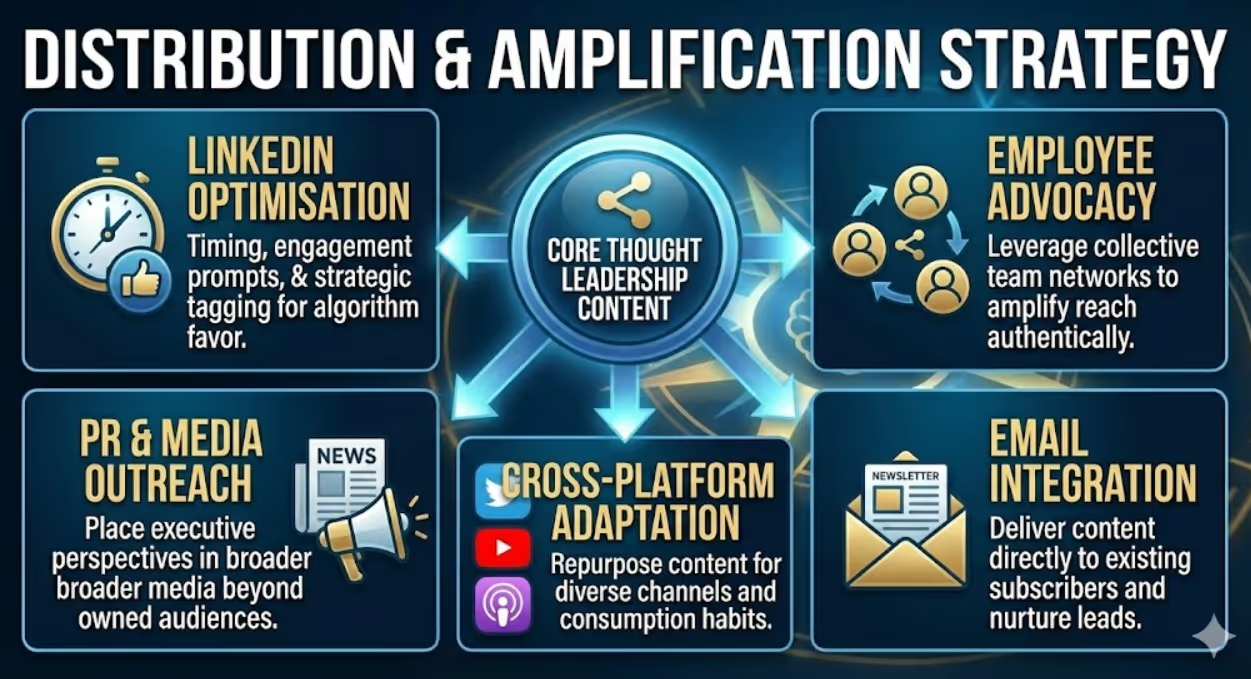
LinkedIn algorithm optimisation maximises native platform reach. Post timing aligned with when target audiences are active (typically Tuesday-Thursday, business hours for Australian professional audiences), engagement-encouraging copy prompting comments and shares, strategic tagging of mentioned individuals and organisations extending reach through their networks, and consistent posting frequency maintaining algorithm favour. LinkedIn's algorithm rewards content generating early engagement—engaging with comments immediately post-publication signals content quality, extending organic reach.
Employee advocacy programmes amplify executive content through organisational networks. Train and encourage team members to share, like, and comment on executive thought leadership content—collective employee network reach typically exceeds company page reach significantly. Provide employees with simple sharing frameworks, suggested commentary, and context enabling authentic amplification rather than robotic resharing. Employee advocacy generates genuine engagement signals that LinkedIn's algorithm rewards with expanded distribution.
Email newsletter integration delivers thought leadership directly to existing audience relationships. Include executive content highlights in company newsletters, create executive-specific newsletter featuring thought leadership content for interested subscribers, and develop content upgrade offers (deeper research, templates, resources) building email list from thought leadership audience. Email distribution bypasses algorithm dependency reaching subscribers directly—particularly valuable for high-value audience segments where direct delivery justifies investment.
Cross-platform content adaptation extends thought leadership reach across diverse consumption channels. Transform LinkedIn articles into Twitter/X threads for different audience segments, adapt conference presentations for YouTube publication, create podcast episode summaries for blog publication, and develop infographics from research reports for visual platform distribution. Cross-platform adaptation multiplies reach without proportional creation investment—thought leadership content produced once can serve multiple platforms through strategic format adaptation.
PR and media outreach places executive perspectives in publications reaching beyond owned audiences. Develop media pitching capability identifying relevant story angles, maintaining journalist relationship lists, and responding rapidly to media enquiry opportunities. Australian media relations benefits from proactive positioning—sending relevant commentary, data, or perspective to journalists covering your topics before they seek sources establishes expert status enabling ongoing relationship development. According to Meltwater's Australian media research, Australian journalists receive hundreds of pitches weekly—differentiated expert positioning and genuine news value distinguish successful pitches from ignored ones.
Measuring Thought Leadership Programme Effectiveness
Thought leadership measurement requires patience and appropriate metrics reflecting relationship and reputation building rather than immediate transaction generation.
Inbound opportunity tracking measures thought leadership's commercial function. Count inbound inquiries specifically referencing executive thought leadership content, track speaking invitations and media requests as authority indicators, monitor conference programme consideration and selection rates, and document peer network engagement (connections, endorsements, collaboration requests) reflecting professional recognition. Inbound opportunities indicate thought leadership is working—executives generating consistent inbound don't need thought leadership justification beyond commercial impact evidence.
Sales conversation influence assessment reveals thought leadership impact on pipeline. Survey sales team regarding prospect references to executive content during conversations, track proportion of prospects who consumed thought leadership before initial contact, compare conversion rates for thought leadership-aware versus unaware prospects, and measure sales cycle length differences for these prospect segments. Sales team feedback often reveals thought leadership commercial impact invisible in content analytics.
Media mention monitoring tracks third-party authority validation. Monitor mentions across Australian business publications, industry trade media, and digital publications using media monitoring tools (Mention, Meltwater, Google Alerts). Track mention frequency trends, publication prestige of featuring outlets, and quote quality (primary expert source versus background mention). Growing media presence indicates increasing thought leadership recognition within target industry communities.
Audience growth and engagement quality reflects thought leadership resonance. Track LinkedIn follower growth specifically for executive profiles, monitor engagement rates on thought leadership content, assess follower quality (are followers from target prospect, peer, and media profiles?), and measure content sharing from influential industry figures indicating peer-level recognition. Audience growth metrics should prioritise quality over quantity—1,000 engaged target industry followers outperform 10,000 followers from unrelated demographics.
Brand sentiment and awareness measures thought leadership's reputation contribution. Conduct periodic prospect surveys measuring brand awareness and perception, monitor brand mention sentiment in media and social channels, track industry recognition indicators (award nominations, association leadership opportunities, advisory board invitations), and assess competitive positioning perceptions among target audiences. Brand measurement provides context for thought leadership's contribution to organisational competitive positioning beyond individual content performance.
Frequently Asked Questions
How should Australian organisations handle thought leadership for executives who are genuine experts but uncomfortable with public visibility and self-promotion?
Executive reluctance about public visibility is common and manageable through reframing and gradual exposure rather than forcing uncomfortable participation. Reframe thought leadership as service to industry peers rather than self-promotion—sharing genuine expertise helps colleagues solve problems and makes industries better rather than merely promoting individuals. Start with lower-visibility formats building comfort before higher-exposure activities—LinkedIn articles before conference presentations, podcast guest appearances before keynote speaking, industry association contributions before national media. Provide comprehensive content support (ghostwriting, media training, presentation coaching) reducing perceived effort and performance anxiety. Share concrete evidence of positive outcomes from thought leadership activity—prospect mentions of specific content, media requests generated, peer recognition received—making value tangible rather than theoretical. Most reluctant executives become genuine advocates once initial comfort barriers are overcome and positive outcomes become personally experienced rather than theoretically explained.
What's the appropriate balance between sharing genuine industry expertise and protecting proprietary methodologies or competitive advantages through thought leadership content?
Thought leadership content should share genuine insights whilst maintaining appropriate protection of proprietary methodologies, client confidences, and competitive intelligence. Effective balance involves sharing frameworks and principles rather than complete proprietary methodologies—demonstrating how you think about problems rather than precisely what you do, which prospects must engage your services to access fully. Client case studies and specific outcomes require explicit permission with appropriate anonymisation when clients prefer confidentiality. Industry observations, trend analyses, and strategic perspectives can be shared openly without revealing competitive advantages—most executive insights worth sharing relate to how industries work rather than specifically how your organisation operates. The consistent test: would sharing this insight meaningfully help a direct competitor compete against you? If yes, maintain confidentiality. If no—if the insight demonstrates expertise without enabling competitive replication—share freely.
How long does it realistically take for executive thought leadership programmes to produce measurable business results for Australian organisations?
Realistic thought leadership ROI timelines reflect relationship and reputation building mechanisms rather than direct response marketing. Early indicators (6-12 months) include growing LinkedIn following from target audience, first media mentions or speaking invitations, sales team reporting prospect content references, and initial inbound inquiries. Meaningful commercial impact (12-24 months) typically produces consistent inbound opportunity flow, measurable sales cycle improvements, premium fee justification, and recognised industry expert status. Significant competitive advantage (24-36 months) includes media relationship establishment enabling ongoing coverage, conference speaking circuit inclusion, peer network recognition, and sustained inbound pipeline contribution. Organisations expecting immediate revenue impact misunderstand thought leadership's mechanism—it builds trust and recognition that accelerates eventual commercial relationships rather than generating immediate transactions. Commit to minimum 18-24 month programmes before evaluating ROI, measuring early indicators confirming programme trajectory rather than expecting premature revenue attribution.
How should Australian businesses manage thought leadership content when key executives leave the organisation, taking their personal authority profile with them?
Executive departure risk represents genuine thought leadership vulnerability requiring proactive management rather than post-departure reaction. Mitigate departure risk by developing multiple executive thought leaders rather than concentrating authority in single individuals—distributed thought leadership programmes are more resilient than single-executive dependency. Systematically transfer thought leadership equity from individual to organisational brand—ensure company is associated with expertise, not just individual executive. Document intellectual frameworks, methodologies, and perspective foundations enabling incoming executives to continue thought leadership credibility rather than starting from scratch. Maintain content archives on organisational channels so institutional knowledge persists beyond individual departures. When valued thought leaders do depart, acknowledge their contributions professionally—graceful transitions maintain audience relationships that antagonistic separations damage. Invest in developing successor thought leadership capabilities before anticipated departures rather than scrambling after they occur.
How can Australian businesses measure whether executive thought leadership is actually influencing purchasing decisions versus simply generating engagement metrics?
Connecting thought leadership to purchasing decisions requires tracking beyond content consumption metrics to commercial outcomes. Implement systematic discovery questioning in sales processes—ask every prospect how they first encountered your organisation and which content they'd consumed before contact. Track prospects who engaged with executive thought leadership before sales conversations, comparing their conversion rates, deal sizes, and sales cycle lengths against prospects without prior content exposure. Survey closed clients about thought leadership content's role in their decision process—direct attribution evidence from clients who selected you partly because of executive authority is most compelling ROI demonstration. Monitor which thought leadership pieces sales teams reference in winning proposals and conversations, correlating content usage with win rates. CRM integration tracking content engagement alongside deal stages provides systematic pipeline influence data rather than anecdotal evidence. Imperfect attribution measurement is vastly more useful than no measurement—implement whatever tracking your systems enable whilst building more sophisticated attribution over time.
Should Australian businesses invest in thought leadership for multiple executives simultaneously or concentrate resources building one executive's profile first?
Resource concentration in single executive typically produces faster, more visible results than dispersed investment across multiple executives simultaneously. Focused investment builds recognisable authority faster than diluted resources producing modest multiple profiles. Start with the executive combining strongest genuine expertise, greatest public visibility appetite, and highest commercial relevance to target prospects—typically CEO, practice leader, or primary client-facing executive. Once initial thought leadership programme establishes credibility foundations and efficient production systems (typically 12-18 months), expand to second executive leveraging established workflows and organisational learning. Sequential rather than simultaneous executive development builds sustainable programmes rather than attempting resource-intensive parallel programmes that frequently collapse from overextension. However, organisations with dedicated content marketing teams supporting multiple executives simultaneously can develop parallel programmes—resource availability rather than strategic principle determines appropriate expansion pace.
How should Australian executives approach controversial or contrarian positions in thought leadership content given professional reputation risks?
Contrarian positions and genuine intellectual courage differentiate compelling thought leadership from consensus-repeating content that provides no distinctive reason for audiences to follow specific executives. However, distinguish between valuable contrarian positions supported by evidence and experience versus controversy for its own sake. Well-supported contrarian perspectives (challenging industry consensus based on data, questioning conventional wisdom through documented experience) build genuine authority through intellectual courage—audiences recognise distinctive thinking worthy of attention. Pure provocation without substantive foundation generates short-term engagement whilst damaging long-term credibility. Approach controversial positions by ensuring genuine evidential basis, acknowledging alternative perspectives fairly, maintaining respectful tone toward those who disagree, and distinguishing personal professional perspective from organisational position where appropriate. Australian business culture appreciates directness and authentic perspective—executives willing to share genuine views politely but confidently typically build stronger authority than those hedging every position to avoid controversy.
Thought Leadership Creates Lasting Competitive Advantages
Executive thought leadership transforms genuine expertise into public authority that compounds over time, creating competitive advantages unavailable through traditional marketing approaches. Australian executives who consistently share authentic insights through strategic content programmes attract clients, media, talent, and opportunities that remain invisible to equally capable but publicly unknown peers.
The frameworks outlined in this guide—authentic positioning, consistent multi-format content creation, strategic distribution, and patient long-term measurement—provide comprehensive approach to executive thought leadership programmes that genuinely build industry authority rather than merely generating content activity.
Australian organisations committing to systematic thought leadership development consistently discover that executive visibility creates commercial returns exceeding traditional marketing investments through trust acceleration, premium positioning, and inbound opportunity generation that compounds over years of consistent programme execution.
Ready to develop thought leadership content positioning your executives as recognised Australian industry experts? Maven Marketing Co. provides comprehensive thought leadership services including executive positioning strategy, content development, distribution management, and programme measurement ensuring your executives build genuine industry authority. Let's transform your expertise into public thought leadership that wins business and builds lasting competitive advantages.

Table of contents
read more blogs
Is Google Ads Better Than SEO for My Business
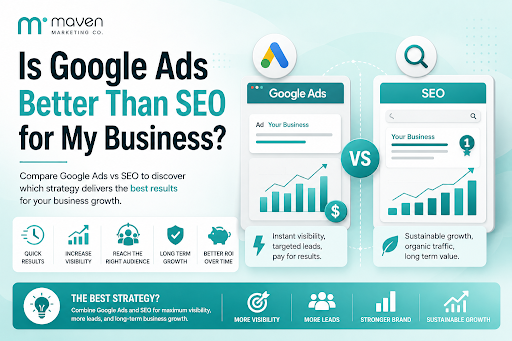
One of the biggest questions business owners ask when they are planning online growth is whether they should invest in Google Ads or SEO. Both are strong marketing plays that help your company show up in Google search results, but they do things in separate lanes. Google Ads gives quicker visibility and can bring in leads fast, whereas SEO more or less focuses on slow, steady organic traffic that tends to grow the longer you keep building it. Picking the right direction depends on what you want to achieve, how much money you can spend, how crowded the market is, and how quickly you need results, like sooner rather than later. The good news is you don’t always have to choose one or the other; it’s not exactly a black-and-white situation. If you take time to understand the strongest points of both, you can put together a more sensible digital marketing plan that supports consistent expansion. In this guide, we’ll compare Google Ads vs SEO, explain the main differences, and help you figure out what option makes the most sense for your business.

When Should I Hire a Digital Marketing Agency
Growing a business today takes more than just having a website or throwing a post on social media; customers usually search around online, compare providers, skim reviews, and basically expect the brand to show up with a solid digital presence before they even think about buying. Many businesses try to run their marketing themselves, but there comes a point when “doing it all in-house” becomes clunky and hard to manage, all at once. Knowing when to hire a digital marketing agency can end up making a big, real difference for your growth. If you’re not getting enough leads, or your online visibility feels stuck, or sales are just not moving, the right agency can bring the know-how, plus a clear plan, to help you get noticeably better outcomes. In this guide, we’ll dig into what a digital marketing agency actually does, the usual signs it’s time to bring one on, and how picking the right marketing partner can help your business move forward at a faster pace.
Why Is My Google Ads Budget Running Out So Quickly
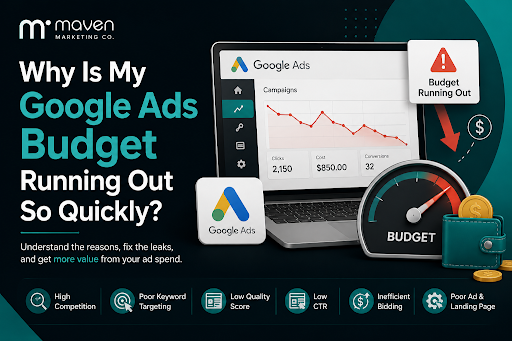
Running a successful Google Ads budget isn’t only about throwing more money at it. It’s more like making every dollar, doing a bit extra. A lot of businesses start a Google Ads campaign with big hopes, then find out their daily budget is gone within a few hours, and that feels weird, right? After that, your ads stop showing effectively, new leads slip away, and your return on investment dips. So if your Google Ads budget is running out too fast, don’t stress. It’s a fairly common issue, and in most situations, it can be repaired with the right approach. There are multiple little things that can drain your advertising money quicker than you expected, from costly keywords to audience targeting that just doesn’t quite fit. In this guide, we’ll walk through why your budget disappears so quickly, how to cut wasteful spend, and the most reliable ways to boost your Google Ads ROI, even if your budget stays the same.