.svg)


%201.svg)

Key Takeaways
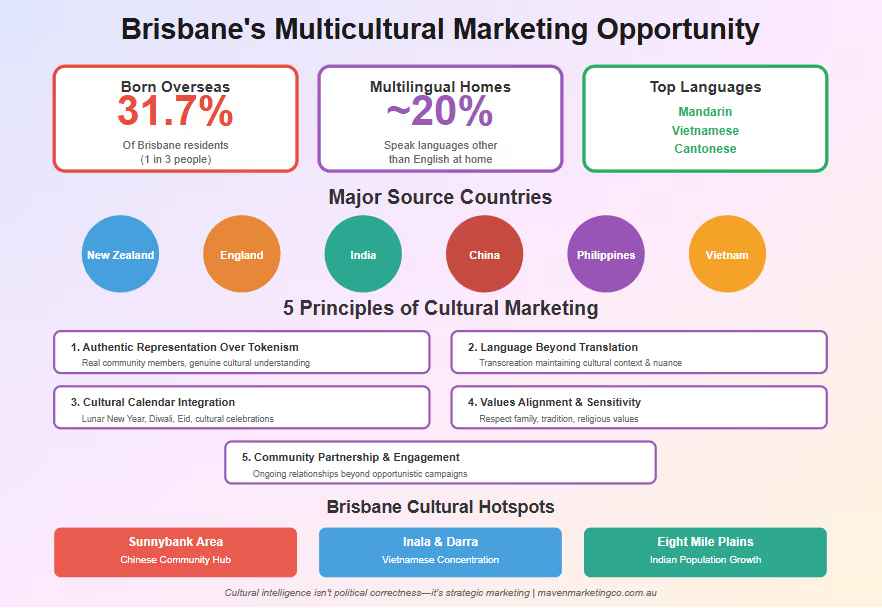
- 31.7% of Brisbane residents were born overseas, with significant communities from New Zealand, England, India, China, and the Philippines
- Nearly 20% of Brisbane households speak languages other than English at home, primarily Mandarin, Vietnamese, and Cantonese
- Hindu (2%), Buddhist (1.9%), and Muslim (1.8%) communities represent fastest growing religious demographics beyond Christianity
- Cultural sensitivity in marketing requires authentic representation, not tokenism, with campaigns reflecting genuine understanding of community values
- Multilingual content, culturally appropriate imagery, and community partnership strategies dramatically improve reach and conversion within specific cultural groups
- Brisbane's multicultural population drives substantial economic activity that culturally tone deaf marketing campaigns fail to capture
Your Brisbane business is invisible to one third of the market, and you probably don't even realize it.
According to 2021 Census data, 31.7% of Brisbane residents were born overseas, creating increasingly multicultural character with significant communities from New Zealand, England, India, China, and the Philippines contributing to cultural diversity and economic vitality. Nearly 20% speak languages other than English at home, with Mandarin, Vietnamese, and Cantonese dominating non English languages.
Yet walk through most Brisbane marketing campaigns and you'd think the city remains culturally homogeneous. Stock photos featuring only Anglo Australian faces. English only messaging. Cultural references assuming everyone shares identical background and values. Marketing strategies designed for audiences that stopped representing Brisbane's reality years ago.
For Brisbane businesses in 2026, this cultural blindness represents missed opportunity and wasted marketing budget. The businesses dominating multicultural markets don't just translate existing campaigns into other languages. They build culturally intelligent strategies demonstrating genuine understanding, respect, and authentic engagement with communities driving Brisbane's growth.
Understanding Brisbane's Multicultural Landscape
Multiple demographic trends converged making Brisbane one of Australia's most culturally diverse cities, and each trend creates specific marketing opportunities and challenges.
Overseas Born Population: The 31.7% overseas born figure masks substantial diversity within that segment. Major source countries include New Zealand, England, India, China, Philippines, South Africa, Vietnam, Nepal, and South Korea. Each community brings distinct cultural values, languages, consumption patterns, and media preferences requiring tailored approaches.
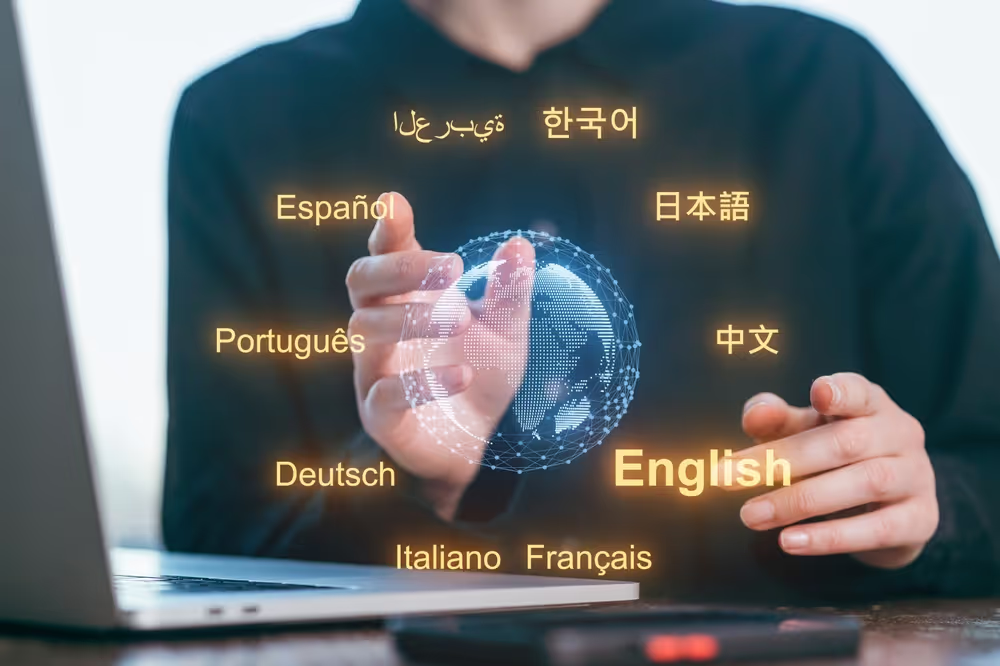
Language Diversity: While 78% speak only English at home, the remaining 22% represents substantial multilingual population. After English, the most commonly spoken languages are Mandarin, Vietnamese, and Cantonese. This linguistic diversity creates both challenges and opportunities for businesses willing to communicate in languages their customers actually speak.
Religious Pluralism: While Christianity remains dominant at 48.8%, non Christian religions show significant presence and growth. Hindu (2%), Buddhist (1.9%), and Muslim (1.8%) communities represent fastest growing religious demographics. Additionally, 30.6% identify with no religion, suggesting secular messaging resonates with substantial segments.
Age and Economic Profile: Brisbane's multicultural communities skew younger than overall population, with many migrants arriving during working years. This creates economically active demographic with substantial purchasing power. Many possess university degrees and professional qualifications, targeting premium and mid market segments effectively.
Geographic Concentration: Certain Brisbane suburbs show higher multicultural concentration. Understanding these geographic patterns enables hyper targeted local marketing. Chinese populations concentrate in Sunnybank and surrounding areas. Vietnamese communities establish strong presence in Inala and Darra. Indian populations grow in Eight Mile Plains and surrounding suburbs.
For Brisbane marketers, these demographics translate to specific opportunities: reaching economically active younger migrants with discretionary income, targeting specific language speakers through multilingual campaigns, respecting religious and cultural values in messaging and imagery, and leveraging geographic concentration for efficient local market penetration.

Five Critical Principles of Culturally Sensitive Marketing
Effective multicultural marketing requires more than translation or adding diverse faces to stock photos. Five principles separate authentic cultural engagement from tokenistic gestures that insult rather than attract.
1. Authentic Representation Over Tokenism
Tokenism places single person of colour in otherwise homogeneous marketing materials thinking this demonstrates diversity. Authentic representation shows genuine understanding of cultural communities through their actual lived experiences, values, and perspectives.
Bad example: Using stock photo of Asian family in generic Brisbane restaurant ad with no other cultural consideration. Good example: Showcasing actual Chinese Brisbane families celebrating traditional festivals at your venue, with culturally appropriate food, decorations, and messaging demonstrating you understand what matters to this community.
Authentic representation requires research understanding what cultural communities value, what resonates emotionally, what communication styles they prefer, and what imagery feels genuine versus exploitative. Work with cultural consultants from communities you're targeting. Hire diverse staff and creative teams bringing authentic perspectives.
Test marketing materials with actual community members before broad deployment. What seems inclusive to your primarily Anglo Australian marketing team might feel patronizing or offensive to target communities.
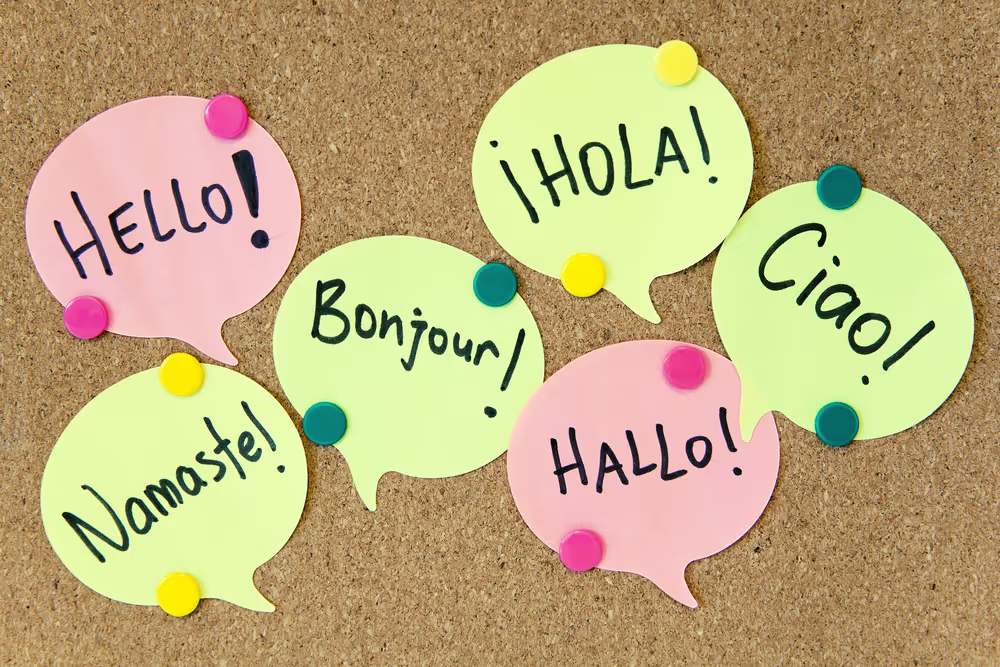
2. Language Accessibility Beyond Translation
Simply translating English marketing into other languages often fails because direct translation misses cultural nuance, idiomatic expressions, and context.
Professional transcreation adapts messaging maintaining intent and emotional impact rather than literal word for word translation. A humorous English tagline might translate to something offensive or meaningless in Mandarin without cultural adaptation.
For Brisbane businesses, prioritize languages matching your target demographics: Mandarin for Chinese Australian markets, Vietnamese for Vietnamese communities, Cantonese for Hong Kong heritage customers, and Hindi for Indian populations.
Beyond written translation, consider multilingual customer service ensuring non English speakers can inquire, purchase, and receive support in languages they're comfortable with. Phone support, website chat, and in person assistance in community languages dramatically improve conversion and customer satisfaction.
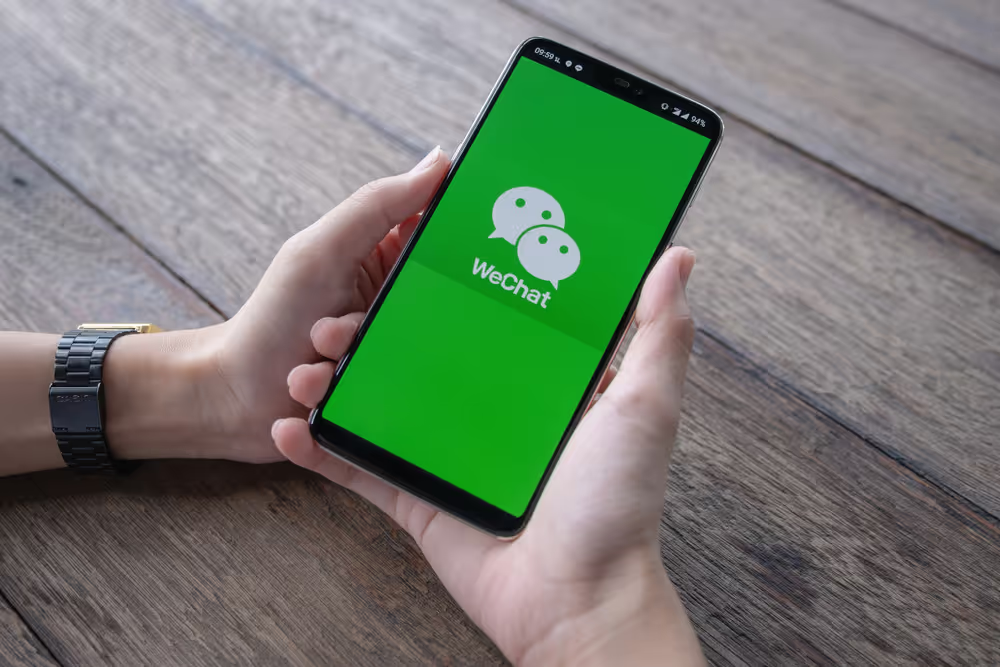
Create separate social media accounts or content streams for major language groups rather than mixing languages on single feed confusing monolingual followers. WeChat for Chinese audiences, targeted Facebook content for Vietnamese communities, and WhatsApp for Filipino markets reach people where they actually engage.
3. Cultural Calendar Integration
Different cultural communities celebrate different festivals, holidays, and significant dates. Integrating these into marketing calendars shows respect and creates timely engagement opportunities.
Major cultural dates Brisbane businesses should recognize include Lunar New Year for Chinese, Vietnamese, and Korean communities, Diwali for Hindu and Indian populations, Eid for Muslim communities, Mid Autumn Festival for Chinese families, and Vesak Day for Buddhist communities.
Create special promotions, content, or events around these cultural celebrations. A restaurant offering Lunar New Year banquet packages marketed to Chinese Brisbane families. A retailer running Diwali sales targeting Indian community. A service business acknowledging Ramadan with appropriate messaging to Muslim customers.
Avoid cultural appropriation treating sacred or significant cultural elements as marketing gimmicks. Respectful acknowledgement and celebration differs dramatically from exploitative commercialization. When in doubt, consult with community leaders or cultural advisors.
4. Values Alignment and Cultural Sensitivity
Different cultures prioritize different values. Marketing messages resonating with Anglo Australian audiences might miss or even offend audiences from other backgrounds.
Many Asian cultures value family, respect for elders, education, and community harmony. Marketing emphasizing these themes resonates more effectively than individualistic messaging common in Western advertising. Indian communities often prioritize family connection, tradition, and quality. Muslim communities value modesty, family, and faith based principles.
Avoid stereotypes and harmful generalizations even when trying to demonstrate cultural awareness. Not all Chinese Australians are mathematically gifted. Not all Indian Australians work in technology. Not all Muslim Australians are conservative. Individual variation within communities exceeds variation between communities.
Be mindful of cultural sensitivities around imagery. Some cultures find public displays of affection inappropriate. Some religious communities have modesty requirements for appropriate imagery. Food marketing requires awareness of dietary restrictions and religious requirements.
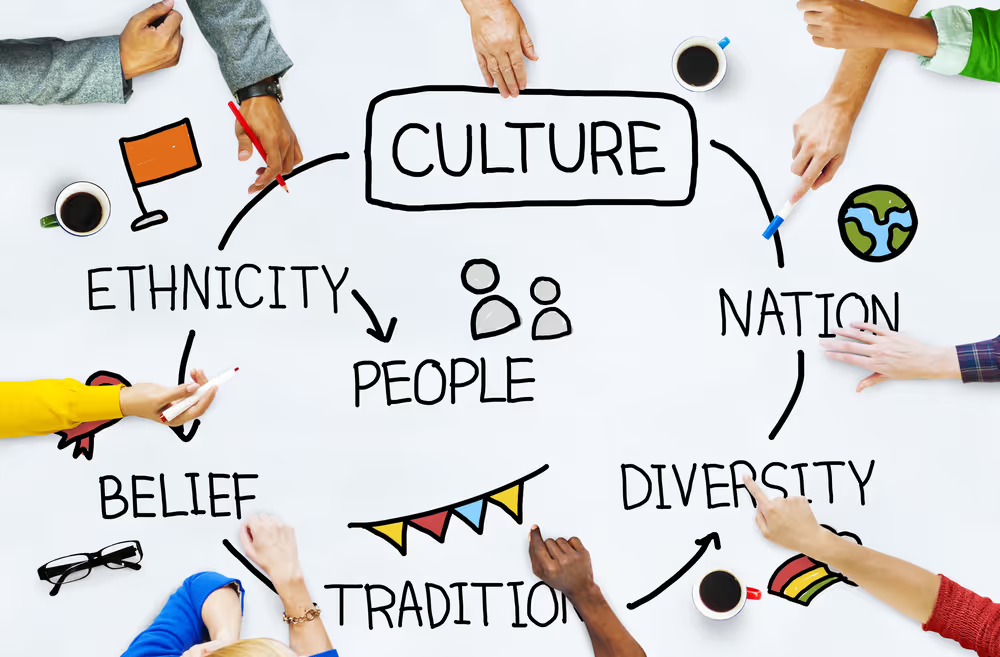
5. Community Partnership and Engagement
The most effective multicultural marketing comes from genuine ongoing community engagement, not opportunistic campaigns during cultural festivals.
Partner with ethnic community organizations, cultural associations, religious institutions, and community leaders. Sponsor cultural events demonstrating sustained commitment beyond sales transactions. Employ staff from target communities bringing authentic perspectives and language skills.
Seek community input before launching campaigns targeting specific groups. Community leaders can identify potential issues, suggest improvements, and validate your approach represents genuine respect rather than exploitation.
Support causes important to cultural communities. Sponsor youth programs, cultural preservation efforts, or community initiatives demonstrating your business values these communities beyond their purchasing power.
Seven Practical Strategies for Brisbane Multicultural Marketing
Based on what actually works for Brisbane businesses reaching diverse communities, seven strategies consistently deliver measurable results.
1. Multilingual Digital Presence
Develop website versions in languages spoken by significant Brisbane communities. At minimum, consider Mandarin, Vietnamese, and Cantonese for Asian markets. Professional translation ensuring cultural appropriateness, not just literal word conversion.
Optimize multilingual pages for search engines in those languages. Chinese Australians searching in Mandarin won't find your English only website. Vietnamese language SEO captures Vietnamese Brisbane residents searching in their preferred language.
Create social media content in community languages. WeChat remains essential for reaching Chinese Australians. Facebook supports multilingual content targeting specific language speakers. Instagram and TikTok enable language specific targeting.
Ensure customer service supports multiple languages through multilingual staff, translation services, or language specific contact methods. Nothing frustrates non English speakers more than multilingual marketing that disappears once they try to actually engage or purchase.
2. Culturally Targeted Local Campaigns
Leverage Brisbane's geographic cultural concentration with hyperlocal campaigns. Target Sunnybank and surrounding suburbs with Chinese language campaigns. Focus Inala and Darra for Vietnamese community marketing. Target Eight Mile Plains and nearby areas for Indian population campaigns.
Use location based digital advertising reaching people in culturally concentrated suburbs. Facebook and Google Ads enable precise geographic and language targeting. Billboard and transit advertising in multicultural suburbs reaches communities through familiar local touchpoints.
Partner with local ethnic businesses, restaurants, and community centres in target suburbs. Cross promotion with established trusted businesses in communities builds credibility faster than unknown brands trying to break in independently.
3. Cultural Festival Marketing and Sponsorship
Active participation in cultural festivals demonstrates genuine community engagement beyond opportunistic sales. Sponsor Lunar New Year festivals, Diwali celebrations, and cultural events throughout Brisbane's diverse communities.
Create special festival promotions authentically connected to celebration meaning. Don't just slap generic "sale" on Chinese New Year. Understand festival symbolism, traditional colours, auspicious numbers, and cultural significance informing campaign design.
Engage beyond one time sponsorship. Staff booths at festivals. Donate to festival organizations. Participate consistently over years building recognition as genuine community supporter, not transactional opportunist.

4. Influencer Partnerships Within Communities
Ethnic community influencers and micro influencers possess established trust and credibility within their communities. Partnership with these voices delivers more authentic reach than branded campaigns.
Identify influencers within Brisbane's Chinese, Vietnamese, Indian, Filipino, and other communities relevant to your business. Look for micro influencers with 5,000 to 50,000 engaged followers deeply embedded in specific communities.
Collaborate authentically on content reflecting influencer's genuine experience with your product or service. Forced promotional content feels inauthentic regardless of influencer's cultural background. Authentic endorsement from trusted community voice dramatically outperforms generic advertising.
5. Culturally Appropriate Visual Content
Stock photography rarely represents specific cultural communities authentically. Invest in original photography or video featuring actual members of target communities in culturally appropriate contexts.
Show real Brisbane multicultural families, not generic Asian or Indian stock models. Depict authentic cultural practices, celebrations, and daily life familiar to community members. Use culturally appropriate settings, clothing, and contexts demonstrating understanding beyond surface representation.
Avoid exoticizing or stereotyping. Cultural communities are contemporary Australians living modern Brisbane lives while maintaining cultural connections. Marketing should reflect this reality, not outdated stereotypes or "exotic other" framing.

6. Ethnic Media Advertising
Brisbane's multicultural communities consume ethnic media alongside or instead of mainstream Australian media. Advertising in these channels reaches audiences mainstream campaigns miss entirely.
Chinese language newspapers, radio, and WeChat channels reach Chinese Brisbane residents. Vietnamese language media serves Vietnamese community. Indian newspapers and Bollywood focused entertainment channels engage Indian Australians.
Ethnic media advertising requires culturally appropriate creative, not just translated mainstream campaigns. Work with ethnic media outlets understanding their audiences. Many offer creative services ensuring campaigns resonate appropriately with their readers or listeners.
7. Community Feedback and Continuous Learning
Cultural sensitivity requires ongoing learning, not one time training. Establish feedback mechanisms learning from multicultural customers about what resonates and what misses.
Survey diverse customers about their experiences. Conduct focus groups within specific cultural communities. Monitor social media for community responses to campaigns. Track which messages, channels, and offers perform best with different demographic segments.
Hire diverse staff and consultants bringing authentic cultural perspectives to marketing strategy. No amount of research replaces lived experience. Build teams reflecting Brisbane's diversity bringing genuine understanding to campaigns.
Common Multicultural Marketing Mistakes Brisbane Businesses Make

Even well intentioned multicultural marketing fails when businesses make these critical errors.
Mistake 1: Assuming All Asians Are the Same: Chinese, Vietnamese, Korean, Filipino, Japanese, Thai, and Indian communities possess distinct languages, cultures, values, and preferences. Generic "Asian" marketing insults everyone by failing to recognize distinct identities.
Mistake 2: Translation Without Cultural Adaptation: Direct English to Mandarin translation often produces meaningless or inappropriate messaging. Transcreation adapting cultural context, not just words, is essential for effective multilingual marketing.
Mistake 3: Stereotyping and Cultural Appropriation: Using cultural symbols, traditional dress, or sacred imagery as marketing gimmicks without understanding significance risks offense. Dragon imagery for Chinese New Year requires cultural appropriateness, not cartoon dragons undermining cultural significance.
Mistake 4: Tokenistic Representation: Adding one diverse face to otherwise unchanged campaign doesn't constitute multicultural marketing. Genuine representation requires rethinking entire approach from strategy through execution.
Mistake 5: Ignoring Acculturation Differences: Second generation Australian born children of migrants possess different cultural orientation than first generation migrants. Marketing must recognize these distinctions rather than treating all community members identically.
Measuring Multicultural Marketing Success
Traditional marketing metrics don't tell complete stories for multicultural campaigns. Track these specific indicators revealing cultural marketing effectiveness.
Language Specific Engagement: Measure engagement rates on multilingual content separately. Which language versions drive highest interaction? This reveals both language preference and content resonance within communities.
Cultural Segment Conversion: Track conversion rates by cultural demographic when possible. Do Chinese language campaigns convert as well as English campaigns? Are Vietnamese community promotions driving revenue or just awareness?
Community Sentiment: Monitor social media and community feedback for sentiment about your brand within specific cultural communities. Are you seen as respectful community partner or opportunistic outsider?
Repeat Business by Segment: Measure customer lifetime value across cultural segments. One time transactions suggest campaign reached audience but didn't build loyalty. Repeat customers indicate genuine connection and community acceptance.
Employee and Partner Feedback: Staff and partners from cultural communities provide invaluable insight into campaign authenticity and community reception. Their perspectives reveal blind spots mainstream marketers miss.
The Brisbane Multicultural Opportunity
Most Brisbane businesses haven't adapted marketing strategies to city's multicultural reality. They continue campaigns designed for homogeneous audiences, missing 31.7% of population representing substantial and growing economic power.
This creates massive opportunity for businesses executing culturally intelligent strategies. While competitors alienate multicultural communities through tone deaf campaigns or ignore them entirely, you build genuine relationships demonstrating respect and understanding.
Brisbane's multicultural population isn't niche market. It's one third of total population growing faster than Anglo Australian segments. The businesses dominating Brisbane markets in 2026 won't just tolerate diversity. They'll celebrate it through marketing demonstrating authentic cultural engagement.
The Bottom Line
Brisbane's multicultural communities represent substantial economic opportunity and marketing challenge. Traditional Anglo Australian focused campaigns miss entire segments while risking offense through cultural insensitivity.
The businesses succeeding with multicultural marketing understand cultural sensitivity isn't political correctness or performative diversity. It's strategic marketing reaching actual audiences through messages, languages, channels, and values that resonate authentically.
Your competitors are either figuring this out or watching multicultural market share go to businesses demonstrating genuine cultural intelligence. The gap between culturally competent Brisbane businesses and those still marketing to yesterday's demographics isn't closing. It's widening as multicultural populations grow and cultural expectations for respectful engagement rise.
Which position will your Brisbane business occupy? The culturally intelligent one capturing growing multicultural markets, or the tone deaf one wondering why one third of Brisbane ignores your marketing entirely?
Reach Brisbane's Multicultural Communities Effectively
Stop missing one third of Brisbane's market through culturally tone deaf campaigns. At Maven Marketing Co., we help Brisbane businesses develop culturally intelligent marketing strategies that authentically engage Chinese, Vietnamese, Indian, Filipino, and other communities driving Brisbane's growth.
Our approach combines cultural consultation with community leaders, multilingual content development with professional transcreation, culturally appropriate creative that resonates authentically, community partnership strategies building genuine relationships, and performance tracking measuring effectiveness across cultural segments.
We don't just translate campaigns or add diverse stock photos. We build comprehensive multicultural strategies demonstrating genuine respect and understanding that converts cultural awareness into customer loyalty and revenue growth.
Contact Maven Marketing Co. today for a multicultural marketing audit revealing how your current campaigns resonate with Brisbane's diverse communities, which cultural segments represent biggest opportunities, and the strategic roadmap reaching multicultural markets through culturally intelligent marketing that respects, engages, and converts.

Table of contents
read more blogs

Is Google Ads Better Than SEO for My Business
One of the biggest questions business owners ask when they are planning online growth is whether they should invest in Google Ads or SEO. Both are strong marketing plays that help your company show up in Google search results, but they do things in separate lanes. Google Ads gives quicker visibility and can bring in leads fast, whereas SEO more or less focuses on slow, steady organic traffic that tends to grow the longer you keep building it. Picking the right direction depends on what you want to achieve, how much money you can spend, how crowded the market is, and how quickly you need results, like sooner rather than later. The good news is you don’t always have to choose one or the other; it’s not exactly a black-and-white situation. If you take time to understand the strongest points of both, you can put together a more sensible digital marketing plan that supports consistent expansion. In this guide, we’ll compare Google Ads vs SEO, explain the main differences, and help you figure out what option makes the most sense for your business.

When Should I Hire a Digital Marketing Agency
Growing a business today takes more than just having a website or throwing a post on social media; customers usually search around online, compare providers, skim reviews, and basically expect the brand to show up with a solid digital presence before they even think about buying. Many businesses try to run their marketing themselves, but there comes a point when “doing it all in-house” becomes clunky and hard to manage, all at once. Knowing when to hire a digital marketing agency can end up making a big, real difference for your growth. If you’re not getting enough leads, or your online visibility feels stuck, or sales are just not moving, the right agency can bring the know-how, plus a clear plan, to help you get noticeably better outcomes. In this guide, we’ll dig into what a digital marketing agency actually does, the usual signs it’s time to bring one on, and how picking the right marketing partner can help your business move forward at a faster pace.

Why Is My Google Ads Budget Running Out So Quickly
Running a successful Google Ads budget isn’t only about throwing more money at it. It’s more like making every dollar, doing a bit extra. A lot of businesses start a Google Ads campaign with big hopes, then find out their daily budget is gone within a few hours, and that feels weird, right? After that, your ads stop showing effectively, new leads slip away, and your return on investment dips. So if your Google Ads budget is running out too fast, don’t stress. It’s a fairly common issue, and in most situations, it can be repaired with the right approach. There are multiple little things that can drain your advertising money quicker than you expected, from costly keywords to audience targeting that just doesn’t quite fit. In this guide, we’ll walk through why your budget disappears so quickly, how to cut wasteful spend, and the most reliable ways to boost your Google Ads ROI, even if your budget stays the same.