
.svg)


%201.svg)
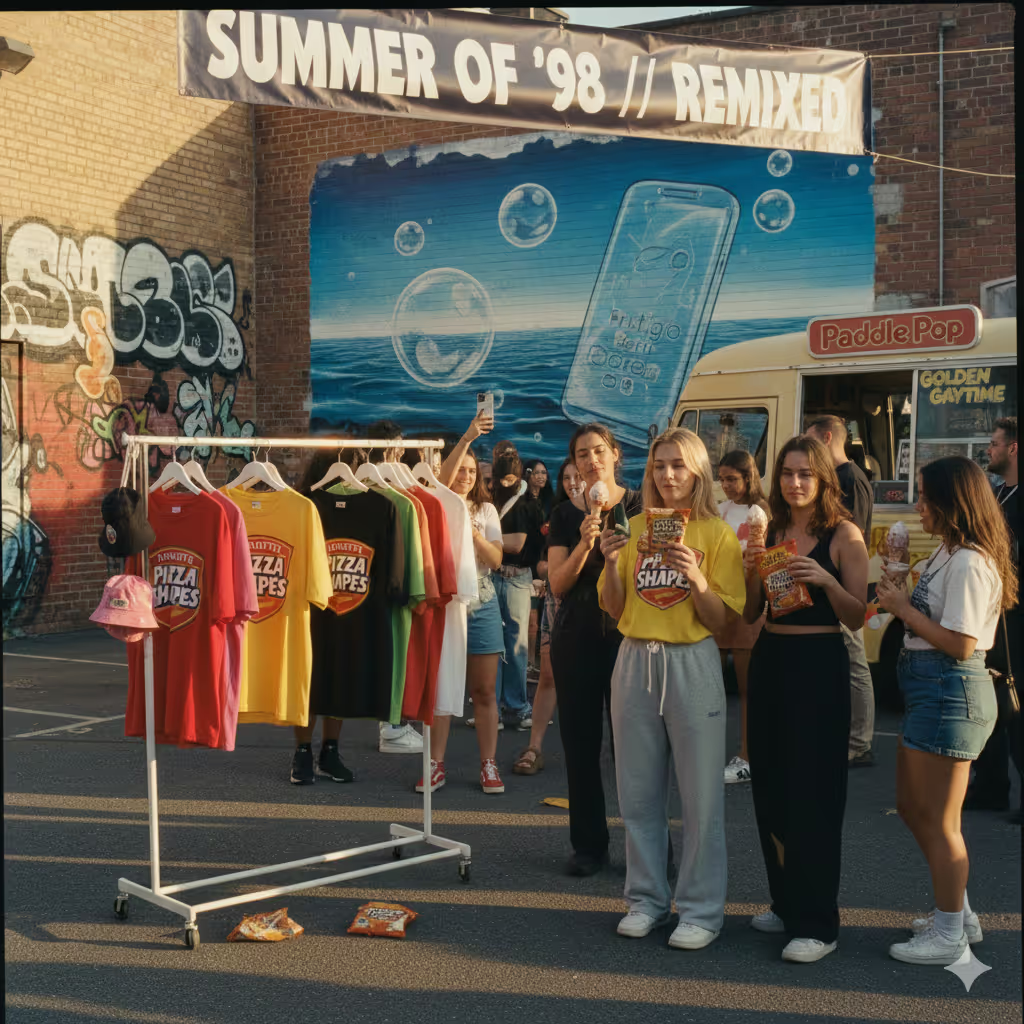
Quick Answers
Q: What is nostalgia marketing and why does it work so effectively in Brisbane?
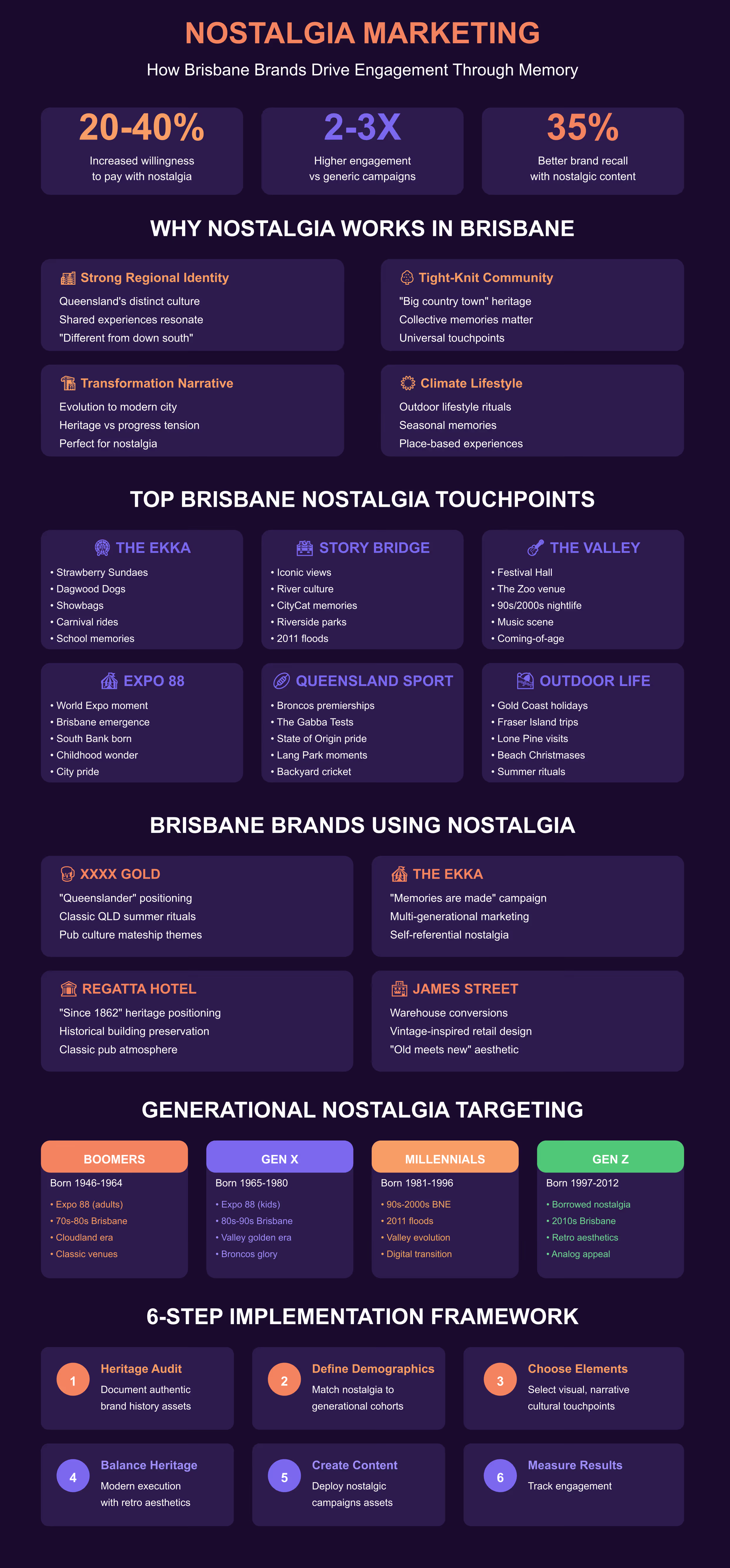
Nostalgia marketing strategically references past eras, cultural moments, or shared memories to trigger positive emotional responses that increase brand affinity, engagement, and purchase intent. It works exceptionally well in Brisbane due to Queensland's strong sense of regional identity, slower pace of urban development compared to Sydney/Melbourne creating stronger connections to place-based memories, tight-knit community culture where shared experiences hold significant value, and Brisbane's transformation from "big country town" to modern city creating dual identity perfect for nostalgic reflection. Neuroscience research shows nostalgia activates reward centers in the brain, reduces anxiety about present circumstances, and increases willingness to spend by 20-40% in experimental settings. Brisbane-specific nostalgia—referencing the Ekka, Story Bridge, Valley nightlife eras, iconic venues like Festival Hall, or cultural moments like Expo 88—creates instant emotional connections with multiple demographic cohorts. For example, XXXX Gold's campaigns referencing classic Queensland summer moments (backyard cricket, camping at Fraser Island, beach holidays) resonate because they tap into universal Brisbane/Queensland experiences across generations, creating shared cultural touchpoints that transcend individual brand attributes.
Q: How can Brisbane businesses implement nostalgia marketing without alienating younger customers?
Successful nostalgia marketing balances heritage references with contemporary relevance through strategic approaches that work across demographics. Use "borrowed nostalgia"—younger generations romanticize eras they never experienced (Gen Z's obsession with 90s aesthetics, Millennials' love for 70s/80s design). Focus on timeless local Brisbane elements that remain relevant—Story Bridge, river culture, outdoor lifestyle—rather than dated specifics. Blend nostalgic design elements with modern functionality and user experience—retro packaging with contemporary products. Frame heritage as authenticity and craft rather than dated or old-fashioned—"since 1928" signals quality, not obsolescence. Create intergenerational appeal by featuring multi-generational customer stories showing brand relevance across ages. Use nostalgia strategically in specific campaigns rather than entire brand identity, allowing modern positioning alongside heritage moments. Test with younger focus groups to ensure nostalgic references feel cool/authentic rather than pandering or outdated. Brisbane craft breweries exemplify this balance—referencing classic Queensland beer culture and venues while delivering contemporary craft beer innovation, appealing to both older generations nostalgic for Queensland pub culture and younger craft beer enthusiasts who appreciate heritage authenticity.
The Psychology of Nostalgia: Why Memory-Based Marketing Works
Nostalgia isn't mere sentimentality—it's a powerful psychological mechanism that marketers can strategically leverage for measurable business outcomes.
The Neuroscience of Nostalgic Feelings
When we experience nostalgia, our brains activate multiple regions simultaneously:
Reward Centers: The same neural pathways activated by pleasurable experiences light up during nostalgic recall, creating positive associations with brands triggering these memories.
Emotional Processing: The amygdala processes the emotional content of memories, making nostalgic marketing deeply emotional rather than rational.
Memory Centers: The hippocampus retrieves specific memories, creating vivid mental experiences that feel more real than abstract marketing messages.
Social Connection Areas: Nostalgia activates brain regions associated with social bonding, making nostalgic brands feel like old friends rather than commercial entities.
Research from the Journal of Consumer Research demonstrates nostalgia increases willingness to pay by 20-40%, reduces price sensitivity, improves brand recall by 35%, and drives higher engagement rates compared to non-nostalgic content.
Why Nostalgia Works Particularly Well in Brisbane
Brisbane's unique cultural characteristics make it exceptionally fertile ground for nostalgia marketing:
Strong Regional Identity: Queenslanders' distinct sense of identity separate from "down south" creates shared cultural touchpoints that nostalgia marketing can reference.
Slower Urban Development: Compared to Sydney and Melbourne, Brisbane's slower transformation preserves more historical places and experiences in collective memory, creating richer nostalgia material.
Tight-Knit Community Culture: Brisbane's "big country town" heritage means shared experiences (the Ekka, Riverfestage concerts, Valley nights) resonate broadly across demographics.
Climate and Lifestyle: Queensland's outdoor lifestyle creates seasonal rituals and place-based memories (beach holidays, camping trips, backyard gatherings) that brands can reference.
Cultural Moments: Specific Brisbane/Queensland events (World Expo 88, Commonwealth Games, flood resilience) create generational touchpoints for targeted campaigns.
Transformation Narrative: Brisbane's evolution from "country town" to cosmopolitan city creates interesting tension between heritage and progress that sophisticated nostalgia marketing can navigate.
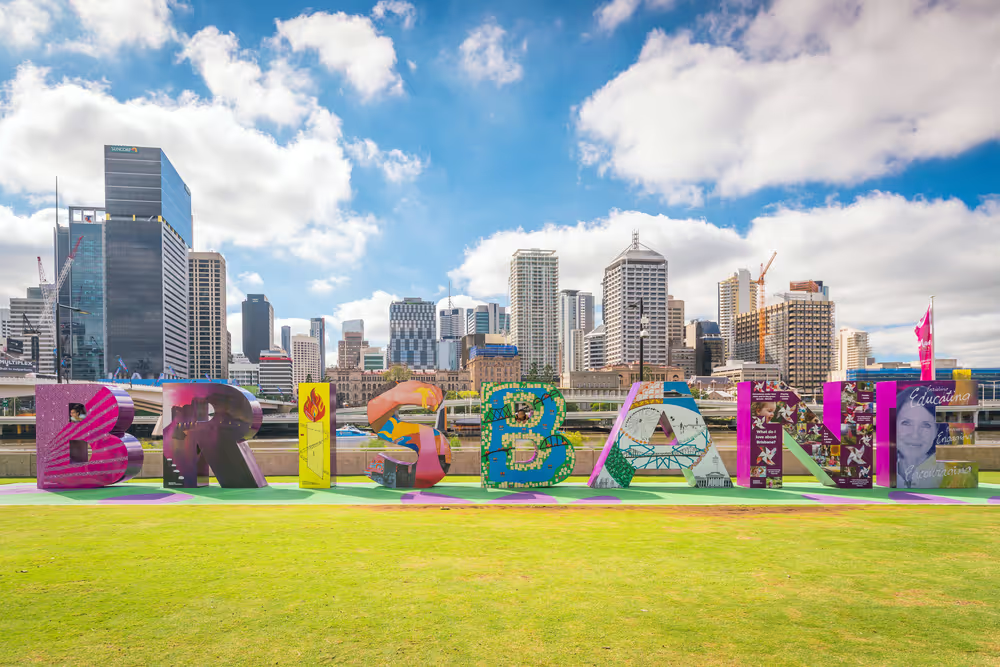
Brisbane's Cultural Nostalgia Touchpoints
Understanding which cultural references resonate most powerfully enables strategic nostalgia marketing.
The Royal Queensland Show (Ekka)
The Ekka represents Brisbane's most universal nostalgic touchpoint, transcending generations and demographics.
Nostalgic Elements:
- Strawberry Sundaes and Dagwood Dogs
- Showbags and carnival rides
- Agricultural pavilions and animal competitions
- The smell of the showgrounds
- School excursion memories
- First dates and teenage independence moments
Marketing Applications:Brands reference the Ekka to evoke childhood innocence, Queensland identity, and seasonal rituals. Even businesses unrelated to the Show can leverage Ekka nostalgia during August to create timely, locally relevant campaigns.
Example: Brisbane ice cream brand Peters creates limited-edition Strawberry Sundae flavors during Ekka season, directly tapping nostalgia for the iconic Show treat while driving seasonal sales.
Story Bridge and River Culture
The Story Bridge symbolizes Brisbane identity across generations, while the Brisbane River represents the city's geographic and cultural heart.
Nostalgic Elements:
- Story Bridge views and climbs
- River ferries (CityCats) and cross-river journeys
- Riverside parks and BBQs
- Regatta Hotel and riverside venues
- 2011 floods and community resilience
- River fires and festival memories
Marketing Applications:Using Story Bridge imagery immediately identifies Brisbane location while evoking pride and belonging. River references connect to outdoor lifestyle and community gathering memories.
The Valley (Fortitude Valley)
Brisbane's entertainment district has transformed dramatically, creating rich nostalgia potential across different eras.
Nostalgic Elements:
- Festival Hall concerts (pre-demolition)
- Classic Valley venues (The Zoo, Cloudland memories)
- 90s/2000s nightlife scene
- Chinatown and Brunswick Street culture
- Alternative music scene
- Coming-of-age memories for multiple generations
Marketing Applications:Valley references appeal to 30-50 year olds who experienced the area's nightlife peak, creating instant recognition and shared cultural understanding.
Expo 88 and Transformation Moments
World Expo 88 represents Brisbane's coming-of-age moment, particularly resonant for Gen X and older Millennials.
Nostalgic Elements:
- Expo 88 pavilions and experiences
- Brisbane's international emergence
- South Bank transformation
- Childhood memories of the monorail and attractions
- Pride in Brisbane's global moment
Marketing Applications:Brands can reference Expo 88 to evoke optimism, progress, and Brisbane pride while tapping childhood memories of wonder and possibility for specific demographic cohorts.
Classic Brisbane Venues and Businesses
Iconic venues and businesses that have closed or transformed create powerful nostalgia.
Nostalgic Elements:
- Cloudland Ballroom (demolished 1982—still referenced)
- Leos Amusement Park (closed 1981)
- Festival Hall (demolished 2003)
- Hoyts Regent Theatre (closed 1988)
- McWhirters Marketplace
- Classic Queen Street and city memories
Marketing Applications:Referencing lost Brisbane landmarks taps into collective grief and nostalgia, creating instant emotional connections with locals who remember these places.
Queensland Sporting Culture
Sport creates powerful nostalgia through shared victories, rituals, and generational experiences.
Nostalgic Elements:
- Brisbane Broncos premiership years
- The Gabba Test matches and cricket culture
- Brisbane Lions premiership era
- State of Origin rivalry and Queensland pride
- Lang Park/Suncorp Stadium moments
- Backyard cricket and sporting rituals
Marketing Applications:Sports nostalgia works particularly well for male demographics and family-oriented campaigns, evoking childhood memories of watching games with fathers/grandfathers and summer sporting rituals.
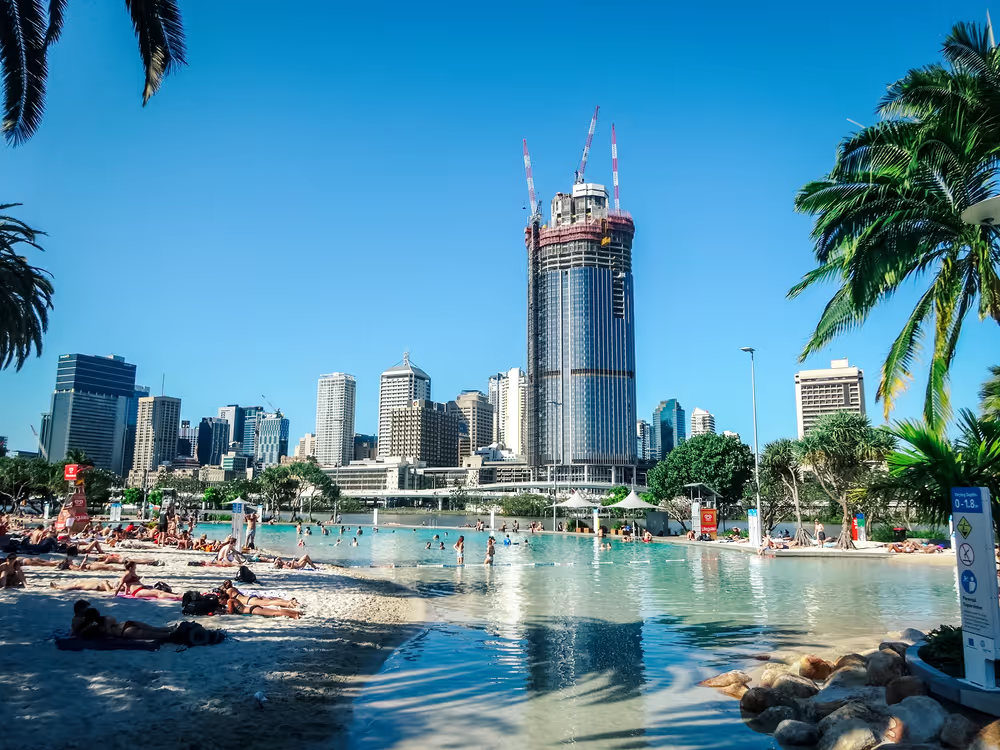
Brisbane Beach and Outdoor Culture
Queensland's outdoor lifestyle creates seasonal nostalgia around specific activities and locations.
Nostalgic Elements:
- Gold Coast and Sunshine Coast holidays
- Fraser Island camping trips
- Stradbroke Island weekends
- Swimming holes and natural attractions
- Lone Pine Koala Sanctuary school trips
- Christmas at the beach
- Cyclones and storm memories
Marketing Applications:Outdoor lifestyle nostalgia reinforces Queensland identity and creates year-round campaign opportunities tied to seasons, holidays, and weather patterns.
How Brisbane Brands Successfully Deploy Nostalgia Marketing
XXXX Gold: Quintessential Queensland Heritage
XXXX Gold exemplifies sophisticated nostalgia marketing, balancing heritage with contemporary relevance.
Nostalgic Strategy:
- "Queenslander" brand positioning celebrating regional identity
- Classic XXXX iconography (the four Xs, distinctive green cans)
- References to Queensland summer rituals (cricket, beach, camping)
- Sponsorship of Queensland institutions (Maroons, sporting events)
- Classic pub culture and mateship themes
Contemporary Balance:
- Modern brewing techniques and product quality
- Contemporary advertising creative
- Digital engagement and social media presence
- Supporting local Queensland culture and events
- Appealing to both older generations nostalgic for classic Queensland beer culture and younger drinkers seeking authentic local brands
Results:XXXX maintains market dominance in Queensland despite national and craft beer competition, with brand loyalty driven significantly by nostalgic connections to Queensland identity.
The Ekka: Self-Referential Nostalgia
The Royal Queensland Show markets itself through nostalgia for previous Ekka experiences.
Nostalgic Strategy:
- "Memories are made at the Ekka" positioning
- Multi-generational family marketing
- References to classic Show experiences (showbags, strawberry sundaes)
- Historical imagery and anniversary campaigns
- Testimonials from long-time attendees
Contemporary Evolution:
- New attractions and contemporary entertainment
- Modern safety and accessibility improvements
- Digital ticketing and technology integration
- Social media engagement and user-generated content
- Balancing tradition with innovation
Results:Despite competition from modern entertainment options, the Ekka maintains attendance through powerful nostalgic draw across multiple generations, with many families attending as annual tradition.
Regatta Hotel: Heritage Venue as Brand Asset
The Regatta Hotel leverages its 150+ year history as core brand differentiation.
Nostalgic Strategy:
- Heritage building and architectural preservation
- Historical imagery in marketing materials
- "Since 1862" prominently featured
- Classic pub atmosphere and traditional offerings
- River location nostalgia
- Connection to Brisbane heritage and community
Contemporary Positioning:
- Modern food and beverage offerings
- Contemporary events and entertainment
- Social media presence and digital marketing
- Appealing to both older patrons nostalgic for classic Brisbane pubs and younger demographics appreciating authentic heritage venues
Results:The Regatta remains one of Brisbane's most popular venues, with heritage positioning differentiating it from modern bars while attracting diverse demographics.
Brisbane City Council: Civic Nostalgia
BCC occasionally employs nostalgia in city marketing and identity campaigns.
Nostalgic Strategy:
- Heritage tram imagery and historical references
- "River City" branding and identity
- Historical photographs in city promotion
- Celebrating Brisbane milestones and transformation
- Connection to community memory and place
Contemporary Balance:
- "New World City" positioning emphasizing progress
- Modern infrastructure and innovation
- Future-focused campaigns alongside heritage celebration
- Balancing nostalgia with growth and development narratives
Results:Civic nostalgia strengthens Brisbane identity and resident pride while attracting tourism through heritage and cultural authenticity.
James Street Precinct: Curated Retro Aesthetic
James Street employs subtle nostalgia through design and positioning.
Nostalgic Strategy:
- Warehouse conversion preserving industrial heritage
- Vintage-inspired retail design aesthetics
- "Old meets new" positioning
- Historic building preservation
- Queensland architectural character
Contemporary Positioning:
- High-end fashion and contemporary retail
- Modern dining and lifestyle offerings
- Sophisticated, upscale brand positioning
- Appealing to demographics appreciating heritage authenticity within contemporary luxury context
Results:James Street differentiates from generic shopping centers through heritage character, attracting demographics valuing authentic places with history and character.
Implementing Nostalgia Marketing: Strategic Framework
Step 1: Identify Your Nostalgia Assets
Audit potential nostalgic elements your brand can authentically leverage:
Brand History:
- Founding year and heritage
- Historical logos, packaging, or advertising
- Founder stories and origin narratives
- Product evolution and classic offerings
- Historical locations or venues
Local Cultural Connection:
- Brisbane/Queensland cultural touchpoints your brand relates to
- Local events, venues, or experiences connected to your category
- Seasonal rituals or traditions your products/services support
- Geographic or cultural identity elements
Generational Experiences:
- Shared memories your target demographics experienced
- Cultural moments your brand participated in
- Lifestyle changes your brand witnessed or enabled
- Technology evolution your brand navigated
Customer Memories:
- Long-time customer testimonials and stories
- Multi-generational customer relationships
- Significant customer moments (proposals, celebrations) at your business
- Community roles your brand has played
Step 2: Define Target Demographics
Different generations respond to different nostalgic references:
Baby Boomers (Born 1946-1964):
- Expo 88 (as adults)
- 1970s-1980s Brisbane culture
- Classic Queensland venues (Cloudland, Festival Hall)
- Economic transformation memories
- Family-building era nostalgia
Gen X (Born 1965-1980):
- Expo 88 (as children/teenagers)
- 1980s-1990s Brisbane
- Valley nightlife golden era
- Early Broncos and Lions glory years
- Technological transition (pre-internet childhood to digital adulthood)
Millennials (Born 1981-1996):
- 1990s-2000s Brisbane
- 2011 floods (as young adults)
- Valley scene evolution
- Early digital era nostalgia
- 90s/2000s pop culture
Gen Z (Born 1997-2012):
- "Borrowed nostalgia" for eras they didn't experience
- 2010s Brisbane memories (as children/teenagers)
- Digital-first generation with nostalgia for analog experiences
- Romanticization of pre-social-media era
Step 3: Choose Nostalgic Elements
Select specific nostalgic elements aligned with brand identity and target demographics:
Visual Nostalgia:
- Retro logo designs or vintage-inspired graphics
- Historical photography and imagery
- Classic color palettes and typography
- Vintage packaging or product designs
- Nostalgic illustration styles
Narrative Nostalgia:
- Founder stories and origin tales
- Customer testimonials spanning decades
- Historical brand moments and milestones
- Cultural participation and community roles
- Evolution narratives (how we've changed/stayed the same)
Experiential Nostalgia:
- Recreating classic products or services
- Limited-edition retro offerings
- Events referencing past eras
- Vintage-inspired store designs or atmospheres
- Sensory nostalgia (smells, sounds, tastes)
Cultural Nostalgia:
- References to Brisbane/Queensland cultural moments
- Local landmark and venue connections
- Seasonal ritual participation
- Community tradition involvement
- Regional identity celebration
Step 4: Balance Heritage with Contemporary Relevance
Avoid appearing dated or out-of-touch:
Respectful References:
- Treat nostalgic elements with genuine respect, not mockery
- Acknowledge evolution and progress alongside heritage
- Avoid romanticizing problematic aspects of past eras
- Recognize nostalgia as selective memory
Modern Execution:
- Contemporary design quality even with retro aesthetics
- Current technology and user experience standards
- Modern product quality and innovation
- Up-to-date social values and inclusivity
- Digital-first implementation
Strategic Deployment:
- Use nostalgia for specific campaigns, not entire brand identity
- Balance heritage storytelling with forward-looking positioning
- Vary nostalgic and modern content
- Test with younger demographics to ensure appeal
Authenticity:
- Only reference heritage you genuinely possess
- Don't fabricate nostalgic connections
- Be transparent about brand history
- Acknowledge changes and discontinuities

Step 5: Create and Deploy Nostalgic Content
Develop content leveraging identified nostalgic elements:
Social Media Campaigns:
- #ThrowbackThursday content with historical brand images
- User-generated nostalgia content (share your memories)
- Before-and-after transformations
- Anniversary celebrations and milestones
- Historical storytelling series
Advertising Creative:
- Retro-inspired visual aesthetics
- Nostalgic music and sound design
- References to Brisbane cultural moments
- Multi-generational storytelling
- Emotional narrative arcs
Product and Packaging:
- Limited-edition retro products
- Vintage-inspired packaging designs
- Heritage product lines alongside contemporary offerings
- Commemorative editions for anniversaries
- Classic flavors or formulations re-released
Experiential Marketing:
- Pop-up experiences recreating past eras
- Heritage tours or historical activations
- Nostalgic events (70s disco, 80s arcade, 90s rave)
- Multi-generational family events
- Anniversary celebrations
Content Marketing:
- Historical blog posts and articles
- Documentary-style brand history videos
- Podcast episodes featuring long-time customers or employees
- Coffee table books or digital archives
- Heritage storytelling across platforms
Step 6: Measure Nostalgia Marketing Performance
Track specific metrics demonstrating nostalgic content effectiveness:
Engagement Metrics:
- Social media engagement rates (likes, comments, shares)
- Content completion rates for nostalgic videos
- Time on site for heritage content
- User-generated content volume and quality
Emotional Response:
- Sentiment analysis of comments and feedback
- Qualitative feedback mentioning emotional connections
- Brand affinity studies measuring emotional attachment
- Net Promoter Score changes
Business Metrics:
- Sales lift during nostalgic campaigns
- Limited-edition retro product performance
- New customer acquisition from heritage campaigns
- Customer retention and loyalty improvements
Brand Health:
- Brand recall and recognition changes
- Association with heritage and authenticity
- Consideration and preference shifts
- Generational appeal breadth
Common Nostalgia Marketing Mistakes
Mistake 1: Inauthentic Heritage Claims
The Problem: Fabricating historical connections or exaggerating heritage credentials damages trust when discovered.
The Solution: Only leverage authentic brand history. If you're a new business, reference broader Brisbane/Queensland cultural nostalgia rather than false brand heritage.
Mistake 2: Alienating Younger Demographics
The Problem: Nostalgia campaigns so focused on older generations that younger customers feel excluded or brands seem outdated.
The Solution: Use borrowed nostalgia, timeless elements, and contemporary execution. Test with younger focus groups before launching.
Mistake 3: Romanticizing Problematic Past
The Problem: Referencing past eras without acknowledging progress on social issues, inclusivity, or problematic aspects of "good old days."
The Solution: Be selective about nostalgic references. Acknowledge evolution and progress. Celebrate aspects worth preserving while recognizing necessary changes.
Mistake 4: Dated Execution
The Problem: Nostalgic campaigns that look amateurish or genuinely dated rather than intentionally retro.
The Solution: Maintain contemporary production quality, design standards, and user experience. Retro aesthetics should be deliberate choices, not budget limitations.
Mistake 5: Overusing Nostalgia
The Problem: Relying so heavily on nostalgia that brands seem unable to innovate or stay relevant.
The Solution: Balance nostalgic campaigns with forward-looking positioning. Use heritage strategically, not exclusively.
Mistake 6: Ignoring Regional Specificity
The Problem: Generic nostalgia references that could apply anywhere, missing opportunities for Brisbane-specific emotional connections.
The Solution: Lean into distinctly Brisbane/Queensland references that locals recognize instantly, creating differentiation from national brands.
The Future: Nostalgia in Modern Brisbane Marketing
As Brisbane continues evolving, nostalgia marketing will adapt to new cultural moments and generational preferences.
Emerging Nostalgia Touchpoints:
- 2011 Brisbane floods (community resilience becoming nostalgic touchpoint)
- COVID-19 lockdown memories (eventually)
- 2032 Olympics anticipation and retrospection
- Valley transformation (current era becoming nostalgic)
- Brisbane's Commonwealth Games 2018
Generational Shifts:
- Gen Z developing nostalgia for 2000s-2010s Brisbane
- Millennials aging into prime nostalgic demographics
- Gen X nostalgia intensifying for 80s-90s Brisbane
- Multi-generational nostalgia strategies becoming more sophisticated
Technology and Nostalgia:
- AR/VR recreating historical Brisbane locations
- Digital archives and interactive heritage content
- User-generated nostalgia content platforms
- AI-powered personalized nostalgic experiences
Cultural Preservation:
- Increased value on authentic heritage as Brisbane modernizes
- Backlash against homogenized development creating nostalgia opportunities
- Community-driven heritage preservation efforts
- Brands as cultural custodians of Brisbane memory
The Brisbane businesses thriving in coming years won't ignore their heritage—they'll strategically leverage it to create emotional connections that transcend rational decision-making and competitor offerings.
Your Nostalgia Marketing Action Plan

Immediate Actions (This Week)
- Heritage Audit: Document your brand's authentic historical connections, founding story, and evolution.
- Cultural Mapping: List Brisbane/Queensland cultural touchpoints relevant to your business and target demographics.
- Asset Inventory: Collect historical imagery, logos, packaging, advertisements, and materials you own rights to.
- Customer Stories: Identify long-time customers willing to share multi-generational brand relationships.
- Competitive Analysis: Examine how Brisbane competitors leverage nostalgia in their marketing.
30-Day Actions
- Demographic Research: Define target demographics and identify which nostalgic references resonate with each cohort.
- Content Strategy: Develop nostalgic content themes aligned with brand identity and local cultural touchpoints.
- Visual Development: Create retro-inspired graphics, color palettes, or design elements for nostalgic campaigns.
- Story Collection: Interview founders, long-time employees, or customers about brand history and memorable moments.
- Social Media Planning: Plan #ThrowbackThursday series or heritage content calendar for next quarter.
90-Day Actions
- Campaign Development: Create comprehensive nostalgic campaign leveraging identified heritage assets and cultural connections.
- Product Innovation: Develop limited-edition retro product or packaging celebrating brand heritage.
- Experiential Activation: Plan heritage-themed event, pop-up, or anniversary celebration.
- Content Production: Produce video content, blog posts, or multimedia storytelling documenting brand history.
- Partnership Opportunities: Collaborate with other Brisbane heritage brands or cultural institutions for amplification.
6-Month Actions
- Campaign Launch: Roll out nostalgic marketing campaign across channels.
- Measurement: Track engagement, emotional response, and business metrics against non-nostalgic baseline.
- Optimization: Refine nostalgic elements based on performance data and customer feedback.
- Expansion: Develop ongoing heritage storytelling as permanent brand positioning element.
- Community Building: Create brand community around shared memories and multi-generational connections.
Ready To Leverage Nostalgia for Brand Growth?
Maven Marketing Co. specializes in nostalgia marketing strategy for Brisbane businesses seeking authentic emotional connections with local customers. Our team combines brand psychology expertise with deep Brisbane cultural knowledge, creating heritage-based campaigns that drive engagement while maintaining contemporary relevance.
We've helped Brisbane brands across retail, hospitality, professional services, and consumer goods develop nostalgic positioning that resonates with multi-generational audiences while appealing to younger demographics appreciating authentic heritage.
Don't let your brand heritage remain untapped. Visit mavenmarketingco.com.au today for a complimentary nostalgia marketing assessment. We'll audit your heritage assets, identify relevant Brisbane cultural touchpoints, and provide a clear roadmap to emotionally resonant marketing.
Book your brand heritage consultation now and join Brisbane businesses leveraging nostalgia for measurable engagement and loyalty.

Table of contents
read more blogs
Is Google Ads Better Than SEO for My Business
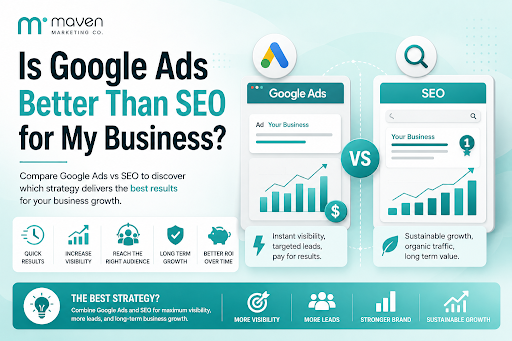
One of the biggest questions business owners ask when they are planning online growth is whether they should invest in Google Ads or SEO. Both are strong marketing plays that help your company show up in Google search results, but they do things in separate lanes. Google Ads gives quicker visibility and can bring in leads fast, whereas SEO more or less focuses on slow, steady organic traffic that tends to grow the longer you keep building it. Picking the right direction depends on what you want to achieve, how much money you can spend, how crowded the market is, and how quickly you need results, like sooner rather than later. The good news is you don’t always have to choose one or the other; it’s not exactly a black-and-white situation. If you take time to understand the strongest points of both, you can put together a more sensible digital marketing plan that supports consistent expansion. In this guide, we’ll compare Google Ads vs SEO, explain the main differences, and help you figure out what option makes the most sense for your business.

When Should I Hire a Digital Marketing Agency
Growing a business today takes more than just having a website or throwing a post on social media; customers usually search around online, compare providers, skim reviews, and basically expect the brand to show up with a solid digital presence before they even think about buying. Many businesses try to run their marketing themselves, but there comes a point when “doing it all in-house” becomes clunky and hard to manage, all at once. Knowing when to hire a digital marketing agency can end up making a big, real difference for your growth. If you’re not getting enough leads, or your online visibility feels stuck, or sales are just not moving, the right agency can bring the know-how, plus a clear plan, to help you get noticeably better outcomes. In this guide, we’ll dig into what a digital marketing agency actually does, the usual signs it’s time to bring one on, and how picking the right marketing partner can help your business move forward at a faster pace.

Why Is My Google Ads Budget Running Out So Quickly
Running a successful Google Ads budget isn’t only about throwing more money at it. It’s more like making every dollar, doing a bit extra. A lot of businesses start a Google Ads campaign with big hopes, then find out their daily budget is gone within a few hours, and that feels weird, right? After that, your ads stop showing effectively, new leads slip away, and your return on investment dips. So if your Google Ads budget is running out too fast, don’t stress. It’s a fairly common issue, and in most situations, it can be repaired with the right approach. There are multiple little things that can drain your advertising money quicker than you expected, from costly keywords to audience targeting that just doesn’t quite fit. In this guide, we’ll walk through why your budget disappears so quickly, how to cut wasteful spend, and the most reliable ways to boost your Google Ads ROI, even if your budget stays the same.


