.svg)


%201.svg)

Key Takeaways
- Employee-shared content generates 561% more reach than the same content shared through official brand channels, whilst maintaining eight times higher engagement rates due to personal network trust dynamics
- Successful advocacy programs increase employee retention by 27% through enhanced connection to company mission and professional development opportunities that advocacy participation provides
- Australian businesses face specific compliance obligations under Fair Work regulations and social media policies that must inform program design to avoid legal exposure whilst maintaining authenticity
- Content libraries and sharing tools reduce participation friction by 73%, enabling employees to advocate consistently without disrupting daily workflows or requiring social media expertise
- Advocacy programs deliver measurable business impact including 41% reduction in cost-per-lead for B2B companies and 34% improvement in quality-of-hire metrics as authentic employer brand attracts better candidates
Your marketing team labors over social media content that reaches 1,200 followers and generates 34 engagements. Your sales manager casually shares the same content to her personal LinkedIn network, reaching 3,800 people and generating 247 engagements within hours.
This disparity isn't anomaly—it's fundamental social media reality. Personal accounts carry credibility that branded channels cannot replicate. Networks built on genuine relationships respond differently than audiences following corporate accounts. Algorithms favor content shared by individuals over branded posts.
Yet most Australian businesses invest exclusively in building branded social presence whilst ignoring the collective reach and credibility sitting dormant in employee networks. This represents one of the most significant missed opportunities in contemporary marketing.
Employee advocacy programs activate this latent potential systematically, transforming teams from passive observers of company marketing into active amplifiers and authentic representatives of brand values. When executed thoughtfully, these programs deliver compound benefits extending far beyond marketing metrics to strengthen recruitment, retention, and company culture simultaneously.
The Business Case: Why Employee Advocacy Delivers Disproportionate Returns
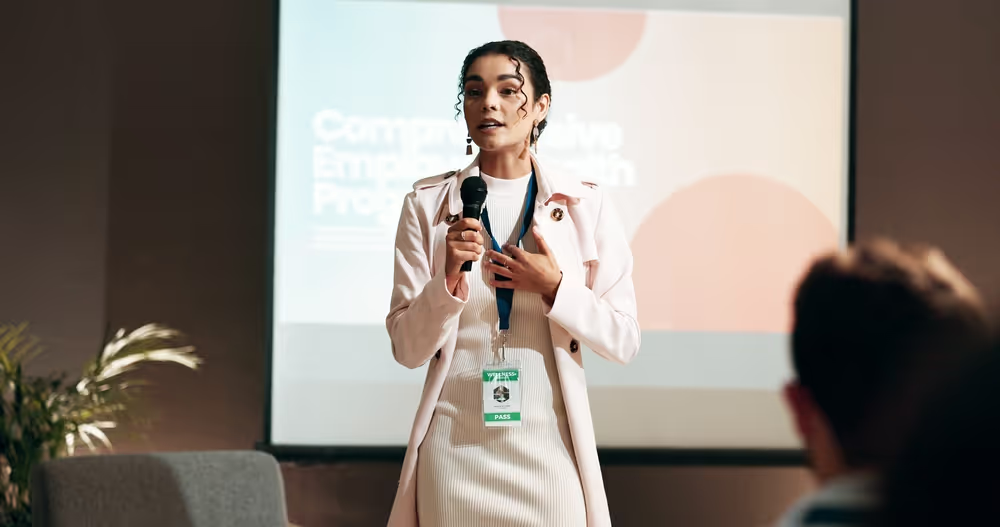
Employee advocacy operates on several interconnected principles that create outsized impact relative to investment required. Understanding these dynamics helps build internal support for program investment and guides strategic design decisions.
Personal networks carry trust that branded channels must earn laboriously. When employees share content, they implicitly endorse it through their personal reputation, creating credibility transfer impossible for branded posts. Research examining social media trust dynamics consistently shows that recommendations from known individuals influence purchase decisions 92% more effectively than branded advertising, even when the "recommendation" is simply sharing company content.
Melbourne-based cybersecurity firm CyberCX documented this dynamic precisely during their advocacy program pilot. Identical content about their threat intelligence services reached 847 people when shared through company LinkedIn page, generating 23 engagements. The same content shared by their Chief Technology Officer reached 4,200 people within his network and generated 312 engagements including 47 comments from security professionals initiating commercial conversations. Three of those conversations converted to qualified sales opportunities within 60 days.
The reach differential stems partly from algorithmic preference for individual accounts over corporate pages. LinkedIn, Facebook, and Instagram prioritize content from personal connections in user feeds whilst suppressing branded content unless supported by paid promotion. An employee sharing company content accesses algorithmic advantages unavailable to brand channels regardless of content quality.
Beyond immediate reach and engagement, advocacy programs deliver strategic benefits across multiple business functions. Recruitment costs decrease dramatically when employees authentically share culture content and job opportunities to personal networks containing passive candidates unreachable through traditional recruitment channels. Sydney technology company Atlassian attributes 34% of their 2025 hires to employee referrals initiated through social media advocacy, with these employees demonstrating 27% higher retention rates than candidates sourced through other channels.
Sales cycles compress when prospects encounter brand content through multiple employee touchpoints rather than single branded interaction. B2B decision-makers research vendors extensively before engaging sales conversations, encountering average of 13 content pieces before reaching out. When this research journey includes authentic employee voices discussing company capabilities, problems solved, and customer outcomes, credibility accelerates faster than through branded content alone.
Perth-based professional services firm KPMG Australia implemented advocacy program targeting their consulting practice, training partners and senior managers to share thought leadership and project insights through LinkedIn. Over 18 months, opportunities influenced by employee social presence showed 23% shorter sales cycles and 19% higher close rates compared to opportunities without social touchpoints, translating to material revenue impact.
Employee satisfaction improves measurably through advocacy participation. Employees who actively represent their employer on social media report stronger connection to company mission, greater pride in organizational achievements, and enhanced sense of professional growth through developing personal brand alongside company brand. These psychological benefits manifest in retention metrics, with advocacy program participants showing 27% lower voluntary turnover than non-participants.
Foundation Phase: Building Program Infrastructure Before Requesting Participation

Enthusiasm alone doesn't sustain advocacy programs. The primary reason employee advocacy initiatives fail isn't lack of willingness but friction preventing consistent participation. Employees face genuine constraints including limited time, uncertainty about what to share, concern about appearing inauthentic or overly promotional, fear of saying something inappropriate creating professional risk, and lack of confidence in social media capabilities.
Successful programs address these barriers systematically through infrastructure reducing participation friction to near-zero whilst maintaining authenticity that makes advocacy effective.
Content libraries provide pre-approved material employees can share confidently without requiring creation effort or compliance review. Brisbane-based logistics company Linfox maintains content library organized by topic and format, including company news and achievements appropriate for broad sharing, industry insights and thought leadership positioning company expertise, customer success stories demonstrating real-world impact, culture content showcasing workplace environment and team experiences, and job opportunities with ready-made text employees can personalize when sharing to networks.
Each piece includes suggested social copy employees can use verbatim or customize, relevant hashtags and tagging recommendations, and optimal platforms for each content type. This structure enables employees to advocate in minutes rather than hours, removing time barrier that prevents participation despite good intentions.
The content itself requires careful curation. Overly promotional material alienates employee networks and damages personal credibility of sharers. The 80/20 principle proves effective: 80% of content provides genuine value to employee networks through insights, education, or entertainment, whilst only 20% directly promotes company offerings. This ratio maintains network goodwill whilst achieving advocacy objectives.
Sharing tools further reduce friction through technology integrations that simplify distribution mechanics. Platforms like GaggleAMP, EveryoneSocial, or LinkedIn Elevate enable administrators to queue content that employees can share to their networks through single click, eliminating need to craft posts, find images, or remember to share regularly. Scheduled reminders prompt participation without being intrusive. Analytics show individual and aggregate impact, gamifying participation through visibility into personal influence metrics.
Adelaide-based recruitment firm Hays Australia implemented GaggleAMP for their 200-person Australian team, providing curated content library refreshed weekly with industry insights, recruitment trends, company achievements, and job opportunities. Platform analytics revealed that 67% of employees shared at least one piece monthly, with 23% qualifying as "super advocates" sharing weekly. The tool reduced average time-per-share from 12 minutes to 90 seconds, dramatically increasing participation consistency.
Training and enablement transform willing participants into effective advocates. Many employees lack confidence in social media presence despite personal platform use, uncertain how to position themselves professionally or build engaged networks. Comprehensive advocacy programs include workshops covering personal brand fundamentals and why professional social presence matters, platform-specific best practices for LinkedIn, Twitter, Instagram based on industry context, content creation basics enabling employees to develop original posts beyond sharing company content, and engagement strategies for building authentic conversations rather than broadcasting.
Melbourne fintech Afterpay developed three-tier training program spanning social media fundamentals for employees new to professional platforms, intermediate skills including content creation and network building, and advanced techniques for employees aspiring to industry thought leadership. The progressive structure allows employees to engage at comfort level whilst providing growth pathway for motivated participants.
Authenticity Imperative: The Non-Negotiable Foundation of Effective Advocacy

Forced advocacy destroys trust both internally with employees and externally with their networks. The moment employee advocacy feels mandated or inauthentic, it undermines the credibility advantage that makes programs valuable in the first place.
Authenticity requires voluntary participation grounded in genuine employee belief in company mission and values. You cannot manufacture this through policy or incentive—you can only create conditions where authentic advocacy flourishes organically.
Sydney-based design agency Canva built one of Australia's most successful employee advocacy programs without single participation mandate. Their approach focuses on creating genuinely shareable achievements and culture moments employees want to share naturally, providing tools making sharing easy when employees are motivated, and celebrating employee advocacy successes to inspire others through positive modeling.
Canva employees frequently share company content because they're genuinely proud of product innovations, company culture initiatives, and organizational values. The advocacy program provides convenience infrastructure, but motivation stems from authentic connection to work rather than program pressure.
This authenticity-first approach requires uncomfortable organizational honesty. If employees aren't naturally inclined to share company content, the core problem isn't advocacy program design—it's insufficient employee engagement with mission, culture, or achievements worth sharing. Forcing advocacy in this context applies band-aid to symptoms rather than addressing underlying engagement deficit.
The practical implication: before launching advocacy program, invest in employee experience worth advocating for. This includes clear mission and values employees connect with emotionally, authentic culture where employee experience matches external brand promises, achievements and innovations employees feel genuinely proud to associate with, and transparent leadership earning employee trust and respect.
Brisbane-based construction firm Built conducted employee engagement assessment before launching advocacy program, discovering that while 78% of employees felt pride in project quality, only 34% believed leadership genuinely valued their input. Rather than proceeding immediately with advocacy program, they invested six months strengthening internal communication and implementing employee feedback mechanisms. Post-improvement engagement surveys showed dramatic increase in employees voluntarily sharing company content without formal program, validating that authentic engagement drives organic advocacy more effectively than program mechanics alone.
Personalization enables authenticity within structure. Rather than requiring employees share identical content and messaging, effective programs provide flexible frameworks employees customize to their voice and network. Suggested social copy becomes starting point for personalization rather than mandatory script. Content library offers options rather than mandates, allowing employees to select pieces resonating with their professional interests and network composition.
This personalized approach acknowledges fundamental truth: employees are individuals with distinct professional identities, not interchangeable marketing channels. Respecting this individuality maintains advocacy authenticity whilst achieving program objectives.
Legal and Compliance Framework: Protecting Employees and Organization Simultaneously

Australian businesses face specific regulatory obligations governing employee social media activity that must inform advocacy program design. Ignorance of these requirements creates legal exposure for both organization and participating employees.
Fair Work regulations prohibit requiring employees to engage in social media activity outside compensated working hours unless explicitly included in role description and employment contract. This means advocacy programs must either occur during working hours as legitimate business activity, remain genuinely voluntary for after-hours participation, or involve explicit employment terms addressing social media responsibilities.
Perth-based mining company Rio Tinto structures their advocacy program as voluntary lunch-and-learn sessions during work hours where employees receive training and can share content if motivated. This approach eliminates any suggestion that after-hours participation is expected or required, maintaining compliance whilst facilitating advocacy among willing participants.
Privacy obligations under Australian Privacy Principles restrict what employee information can be shared publicly. This particularly affects customer-facing roles where employees might naturally share client success stories or project details containing sensitive information. Advocacy guidelines must clearly define what information employees can share publicly versus what requires confidentiality regardless of business context.
Defamation and misleading conduct risks emerge when employees make statements about competitors, industry conditions, or company capabilities that prove false or damaging. Australian legal frameworks governing corporate communications create potential liability when employee social media activity misrepresents facts, even if unintentional.
Adelaide-based telecommunications provider Telstra developed comprehensive social media policy integrated with advocacy program, clearly defining acceptable and prohibited content including factual accuracy requirements and approval processes for specific claim types, confidentiality obligations protecting customer and company information, competitor mention guidelines preventing defamatory or false comparative claims, regulatory compliance particularly regarding telecommunications industry specific regulations, and escalation protocols when employees encounter negative comments or crisis situations.
The policy balances protection with enablement, providing clear boundaries without chilling legitimate advocacy through excessive restriction. Legal review occurs during policy development and content library curation, not at point of individual employee sharing, maintaining program velocity whilst ensuring compliance.
Intellectual property considerations affect employee content creation when advocacy extends beyond sharing company material to creating original posts. Generally, content created during work hours using company resources belongs to employer, whilst after-hours content on personal devices belongs to employee. However, this becomes complex when employee-created content discusses company business, uses company information, or builds on company training.
Melbourne software company Atlassian addresses this proactively through clear content ownership terms in their advocacy program documentation, specifying that original employee content remains employee property regardless of business topic, company provides license to share employee-created advocacy content through official channels if mutually agreed, and employees retain full control over personal social accounts including ability to delete content anytime.
This clarity prevents disputes whilst encouraging employees to develop original thought leadership knowing their intellectual property rights remain protected.
Content Strategy: What Employees Should Share and Why Networks Will Care
.avif)
Content library composition determines advocacy program effectiveness more than any other single factor. Even enthusiastic employees amplifying irrelevant or overly promotional content achieve minimal impact whilst potentially damaging personal credibility.
Effective advocacy content serves employee networks first and company objectives second. This counterintuitive principle recognizes that employees maintain social capital through providing value to their networks. Content that educates, inspires, or entertains preserves this capital whilst achieving brand objectives. Purely promotional content depletes social capital rapidly, training networks to ignore employee shares.
The content categories that consistently perform well in employee advocacy programs include industry insights and trend analysis positioning company and employee as informed industry participants, educational content teaching relevant skills or knowledge beneficial to employee networks, company culture content humanizing organization and supporting employer brand objectives, customer success stories demonstrating real-world impact without overt promotion, and thought leadership from company executives that employees can amplify to establish association with innovative thinking.
Sydney-based accounting firm PwC Australia structured their advocacy content library around these principles, maintaining weekly content rhythm including Monday morning industry news summary employees share to demonstrate sector awareness, Wednesday educational piece about emerging regulatory or business trend, and Friday culture spotlight featuring employee stories or team achievements.
This structure provides consistent sharing opportunities whilst ensuring variety prevents employee networks from experiencing content fatigue. Analytics revealed optimal engagement occurred on educational content, validating that employee networks valued genuine insights over promotional material.
Visual content dramatically outperforms text-only posts in employee advocacy contexts. LinkedIn posts with images receive 2.3 times more engagement than text alone, whilst video content generates 5 times more engagement. Advocacy content libraries must include visual assets employees can use without design skills, including branded templates employees customize with their own text, infographic summaries of complex information, short video clips from events, presentations, or interviews, and behind-the-scenes photos showcasing authentic workplace environment.
Brisbane technology company TechnologyOne maintains Canva template library with dozens of branded designs employees customize for advocacy purposes, removing design barrier that prevents content creation among non-designer employees.
Seasonal and timely content capitalizes on existing conversation momentum. Content aligned with industry events, awareness days, or trending topics receives amplified engagement because employee networks are already engaged with these subjects. The advocacy calendar should map major industry conferences, relevant awareness days, product launches and company milestones, and seasonal business cycles relevant to company's sector.
Perth-based retail property group Vicinity Centres structures advocacy content around retail calendar including back-to-school shopping season content in January, tax time retail patterns in June-July, and Christmas shopping insights in November-December. This seasonal alignment ensures employee-shared content reaches networks when topic relevance peaks naturally.
Measurement Framework: Proving Program Impact Beyond Vanity Metrics

Executive stakeholders require evidence that advocacy programs deliver business value justifying resource investment. Vanity metrics like shares and impressions prove insufficient—measurement must connect advocacy activity to outcomes driving business performance.
Reach and engagement metrics provide foundational program health indicators. Total impressions measure aggregate network access enabled through employee advocacy, tracking growth as program scales. Engagement rate across likes, comments, and shares indicates content resonance with employee networks, with benchmarks typically ranging from 2-5% depending on platform and industry. Click-through rates to company website or resources demonstrate ability to drive traffic beyond passive engagement.
Melbourne-based professional services firm Deloitte tracks these metrics monthly through their advocacy platform, maintaining dashboards showing individual employee impact alongside aggregate program performance. This visibility serves dual purpose of demonstrating program value to leadership whilst providing employees feedback reinforcing their contribution.
Lead generation and pipeline impact connect advocacy directly to revenue outcomes particularly relevant for B2B businesses. Website visitors arriving through employee-shared links can be tracked through UTM parameters identifying advocacy source, enabling analysis of conversion rates from advocacy traffic versus other channels. Sales opportunities influenced by social interactions with employee content quantify pipeline impact, typically requiring CRM integration tracking social touches in opportunity history.
Sydney technology company Atlassian implemented Salesforce integration with their advocacy platform, automatically logging when prospects engage with content shared by employees. Sales analysis revealed that opportunities with employee advocacy touchpoints showed 23% higher close rates and 19% shorter sales cycles compared to opportunities without advocacy influence, providing concrete ROI justification for program investment.
Recruitment metrics demonstrate employer brand impact from employee advocacy. Application volume increase following culture content campaigns indicates advocacy's ability to drive candidate interest. Source-of-hire tracking reveals what percentage of new employees discovered company through employee-shared content, whilst quality-of-hire metrics comparing advocacy-sourced candidates versus other channels demonstrate whether advocacy attracts better talent.
Adelaide-based technology company MYOB attributes 41% of 2025 engineering hires to employee referrals initiated through social media advocacy, with these employees demonstrating 34% higher first-year performance ratings than candidates from other sources. This data justified expanding advocacy program investment based on recruitment cost savings and quality improvements.
Employee engagement and retention metrics capture internal program benefits. Participation rates show what percentage of employees engage with advocacy program regularly, whilst advocacy program satisfaction surveys measure employee perception of program value. Most significantly, retention comparisons between program participants and non-participants quantify whether advocacy strengthens employee connection sufficiently to reduce turnover.
Brisbane-based consulting firm Accenture's 18-month analysis showed advocacy participants demonstrated 27% lower voluntary turnover than non-participants after controlling for tenure and role level. Exit interview data suggested that professional development aspects of advocacy participation contributed to stronger organizational commitment among engaged employees.
Scaling Advocacy: From Pilot to Enterprise-Wide Program
.avif)
Most successful advocacy programs begin small, proving concept through focused pilot before scaling to entire organization. This measured approach allows refinement based on real feedback whilst minimizing risk if initial design proves flawed.
Pilot phase typically involves 20-50 employees representing diverse functions and social media comfort levels. This cohort size allows meaningful testing whilst remaining manageable for program administrators learning advocacy platform capabilities and content requirements. Melbourne retail company Myer piloted their advocacy program with 30 employees across retail operations, corporate functions, and executive leadership, deliberately selecting mix of social media enthusiasts and skeptics to understand diverse participant experiences.
Three-month pilot duration provides sufficient time to establish sharing habits, generate meaningful data, and identify program refinements needed before broader rollout. Shorter pilots lack data for confident scaling decisions whilst longer pilots delay value realization unnecessarily.
Pilot learnings guide scaling strategy across multiple dimensions. Content refinement based on engagement data shows which topics resonate with employee networks and which fall flat, informing future content priorities. Platform optimization addresses technical friction points employees encountered, potentially requiring advocacy tool configuration changes or integration improvements. Training enhancement incorporates participant feedback about preparation adequacy, adding modules addressing gaps pilot revealed. Incentive adjustment tests whether recognition, gamification, or tangible rewards drive sustained participation most effectively.
Sydney-based financial services company Westpac discovered through pilot that employees struggled with content relevancy, finding generic banking content less shareable than niche topics aligned with their specific roles. Scaling program included content streams for different employee segments including wealth management content for financial advisors, small business insights for business banking teams, and retail banking consumer finance topics for branch networks.
This segmentation increased participation rates by 67% during scaling phase as employees received content genuinely relevant to their networks rather than one-size-fits-all material.
Executive advocacy deserves special attention during scaling. Leadership participation signals organizational commitment whilst leveraging their typically larger and more influential networks. However, executives face distinct constraints including limited time for program participation, content requirements reflecting strategic positioning rather than tactical execution, and higher reputational stakes if advocacy missteps occur.
Brisbane property developer Lendlease developed distinct executive advocacy track providing senior leaders with monthly briefings on strategic content priorities, quarterly thought leadership ghost-written by communications team for executive review and personalization, and dedicated support for executives uncomfortable with social media mechanics.
This differentiated approach maintained executive participation without forcing identical program structure inappropriate for leadership level.
Sustaining Momentum: Preventing Advocacy Fatigue Over Time
Initial enthusiasm typically drives strong program adoption during launch phase. The challenge emerges six to twelve months into programs when novelty fades and participation declines among all but most committed advocates.
Sustained momentum requires deliberate nurture through ongoing value demonstration, community building among advocates, and program evolution preventing stagnation.
Recognition and celebration reinforce that advocacy contributions matter organizationally. Monthly spotlights featuring high-performing advocates showcase their impact whilst inspiring others. Executive acknowledgment of advocacy wins during company meetings signals leadership attention. Quantified impact sharing demonstrates how employee advocacy drove specific business outcomes including qualified leads, successful hires, or media opportunities.
Adelaide-based education provider Study Group features "Advocate of the Month" in internal newsletters, highlighting employee's advocacy achievements alongside interview about their professional goals and what motivates their participation. This recognition satisfies intrinsic motivation whilst providing visibility employees value professionally.
Community building transforms advocacy from individual activity into shared experience. Dedicated Slack channels or Teams groups allow advocates to share successes, ask questions, and support each other. Regular advocate meetups whether virtual or in-person strengthen relationships and commitment. Advocate advisory groups involving most engaged participants in program decisions create ownership and ongoing improvement.
Melbourne-based health insurance provider Medibank established "Advocacy Champions" network comprising their most active advocates who meet quarterly to review program effectiveness and recommend improvements. This participatory approach strengthened program relevance whilst ensuring most engaged employees felt heard.
Content freshness prevents advocate and network fatigue from repetitive messaging. Quarterly content audits identify underperforming material requiring retirement or refreshment. Seasonal content rotations align with industry calendar and current events. Employee-generated content programs solicit original posts from advocates, diversifying content sources beyond central marketing team.
Perth mining company BHP implemented employee content creation initiative encouraging advocates to share their own perspectives on industry topics rather than only distributing centrally produced material. This shift increased engagement rates by 43% as networks responded more enthusiastically to authentic employee voices versus polished corporate content.
Building Your Advocacy Foundation: Where Australian Businesses Should Begin
Employee advocacy delivers transformative impact when executed thoughtfully, but programs require sustained commitment spanning months before demonstrating full value. The businesses succeeding with advocacy share common characteristics including genuine employee engagement worth amplifying externally, leadership commitment to supporting program infrastructure and participation, realistic expectations about timeline from launch to meaningful business impact, and willingness to iterate based on employee feedback and program data.
If your organization exhibits these characteristics, the pathway forward begins with honest culture assessment determining whether employee experience justifies advocacy, followed by pilot design testing program concepts with limited scale and risk, then technology evaluation identifying advocacy platforms matching organizational needs, content strategy development creating shareable material serving employee networks genuinely, and measurement framework establishment defining success metrics and tracking mechanisms.
The timeline from concept to scaled program typically spans nine to eighteen months including planning, pilot, refinement, and rollout phases. This investment pays dividends for years as advocacy becomes embedded cultural practice rather than temporary campaign.
Ready to Activate Your Greatest Marketing Asset?
Your employees possess the credibility, networks, and authentic voices that branded channels cannot replicate. Yet capturing this potential requires specialized expertise spanning social media strategy, employee engagement psychology, compliance frameworks, and technology implementation.
Maven Marketing Co designs and implements employee advocacy programs tailored to Australian businesses, transforming willing employees into effective brand ambassadors whilst navigating compliance complexity and sustaining long-term participation.
From pilot program design through scaled implementation, content strategy through measurement frameworks, we deliver advocacy programs that strengthen brand reach, recruitment pipelines, and employee engagement simultaneously.
Schedule your employee advocacy strategy session with Maven Marketing Co today and discover how to activate your team's collective network into your most powerful marketing channel.
Your employees are ready to advocate. Give them the framework that makes it effortless.

Table of contents
read more blogs
How to Build a Brand Positioning Strategy That Sets Your Business Apart
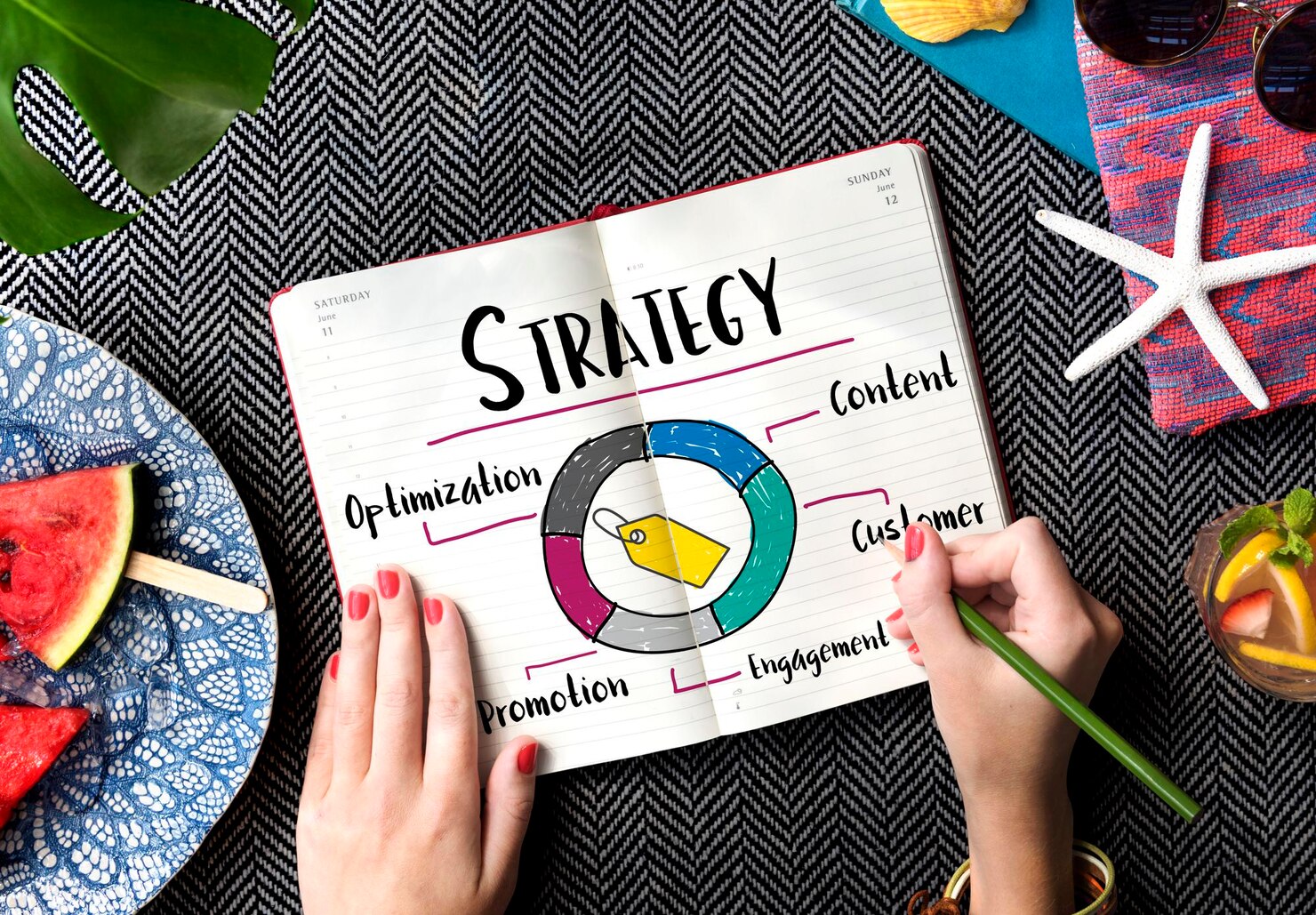
Most businesses can explain what they sell. Far fewer can explain, in a sentence or two, why the right customer should choose them instead of another credible option. That gap is where brand positioning matters.A strong brand positioning strategy gives your business a clear place in the market and a clear place in the customer's mind. It helps your team decide who you are speaking to, what you want to be known for, which benefits deserve the most attention and how your marketing should sound and look across every channel.It is not a slogan exercise and it is not something reserved for large consumer brands. For an Australian service business, e-commerce brand, professional firm, or growing B2B company, positioning can make everyday decisions easier, from website copy and campaign messaging to pricing, sales conversations, and brand identity. The goal is not to look different for the sake of it. The goal is to be meaningfully different in a way the right customers understand and value.

The Role of Digital PR in Long Term SEO Growth
Building a solid online presence is basically more than just posting content now and then or sprinkling keywords across your website. Search engines such as Google tend to point users toward businesses that feel trustworthy, useful, and backed up by others online, even if it’s not always obvious at first. When a company puts together a well-thought-out digital PR strategy, it can bring in solid media mentions, earning high-quality backlinks and stronger brand awareness, all of which feed long-term SEO progress. Rather than obsessing solely over rankings, digital PR helps you build credibility plus authority, so your site looks more appealing to search engines and also to real people who might become customers. In this guide, we’ll walk through how digital PR supports SEO, what makes it such a key part of modern marketing, and the most effective approaches for sustainable growth in search results.

Is Google Ads Better Than SEO for My Business
One of the biggest questions business owners ask when they are planning online growth is whether they should invest in Google Ads or SEO. Both are strong marketing plays that help your company show up in Google search results, but they do things in separate lanes. Google Ads gives quicker visibility and can bring in leads fast, whereas SEO more or less focuses on slow, steady organic traffic that tends to grow the longer you keep building it. Picking the right direction depends on what you want to achieve, how much money you can spend, how crowded the market is, and how quickly you need results, like sooner rather than later. The good news is you don’t always have to choose one or the other; it’s not exactly a black-and-white situation. If you take time to understand the strongest points of both, you can put together a more sensible digital marketing plan that supports consistent expansion. In this guide, we’ll compare Google Ads vs SEO, explain the main differences, and help you figure out what option makes the most sense for your business.