.svg)


%201.svg)

Key Takeaways
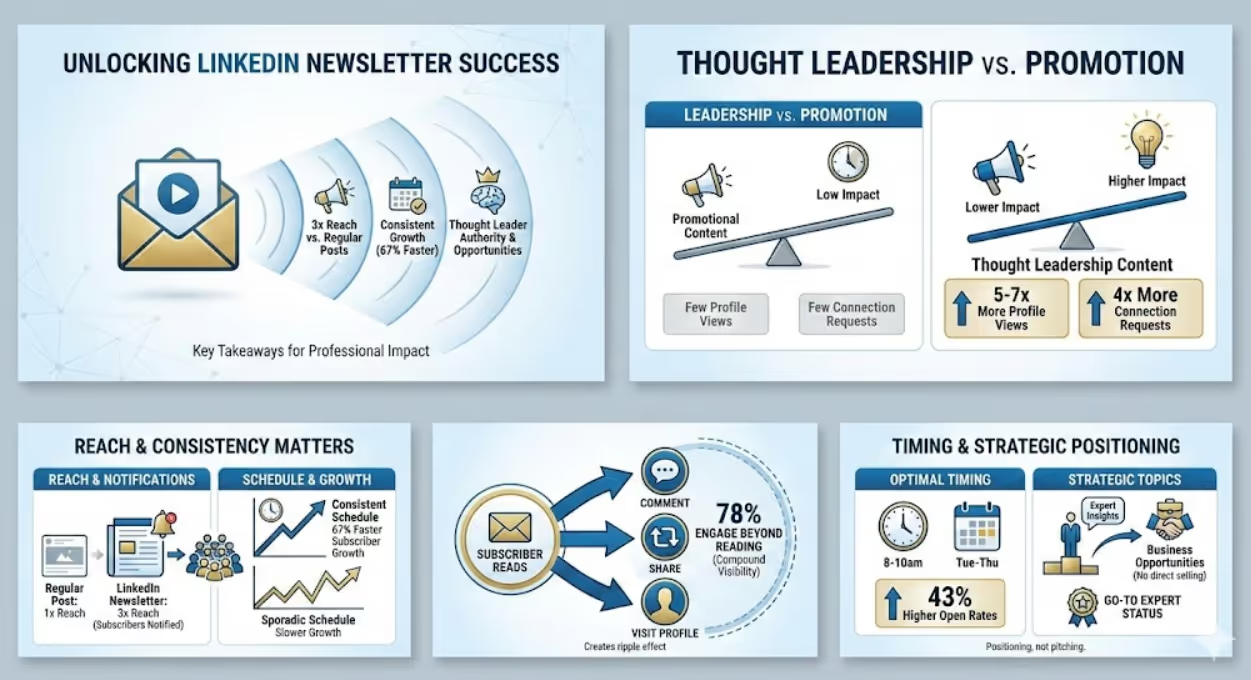
- LinkedIn Newsletters reach 3x more people than regular posts, with subscribers receiving notifications for every new edition
- Publications with consistent publishing schedules grow subscribers 67% faster than sporadic newsletters
- Thought leadership content generates 5-7x more profile views and 4x more connection requests than promotional content
- 78% of newsletter subscribers engage beyond reading—commenting, sharing, or visiting your profile—creating compound visibility
- Newsletters published Tuesday-Thursday between 8-10am achieve 43% higher open rates than other timing combinations
- Strategic newsletter topics position you as the go-to expert, creating business opportunities without direct selling
Why LinkedIn Newsletters Trump Traditional Content Marketing
The professional landscape has changed dramatically. LinkedIn is no longer just a digital resume—it's become the primary platform where business decisions happen, relationships form, and thought leadership emerges.
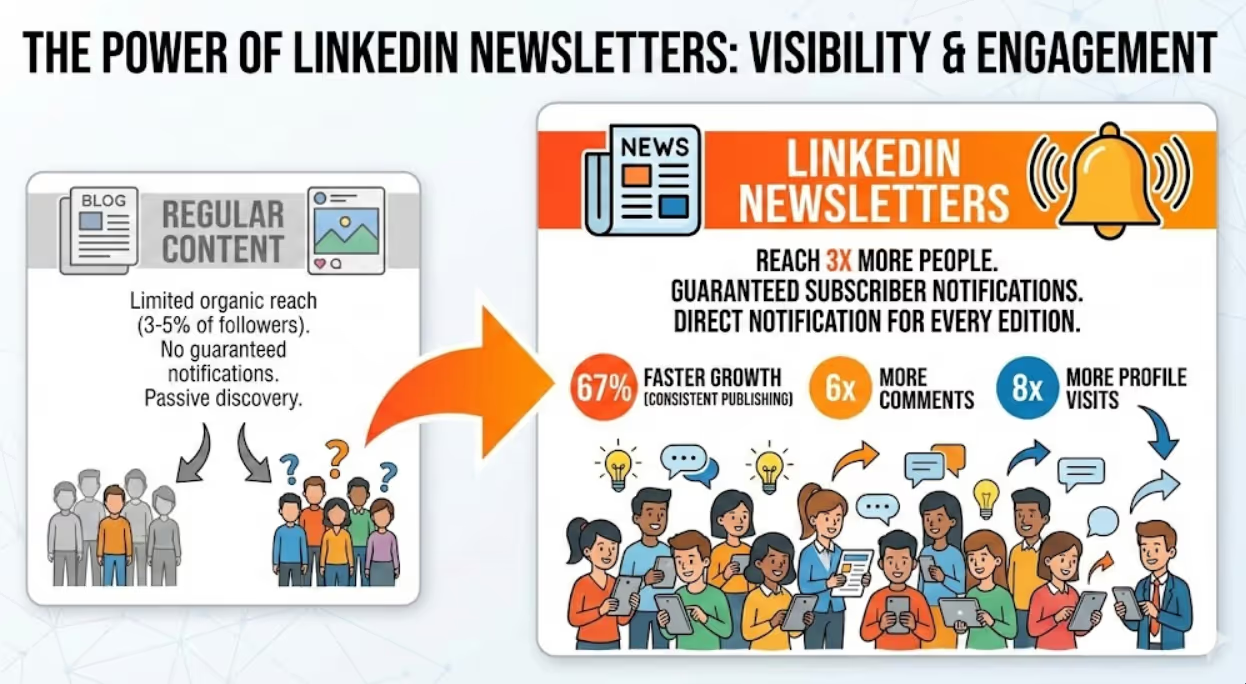
LinkedIn Newsletters offer advantages that traditional blog posts, email newsletters, and even regular LinkedIn articles cannot match. When someone subscribes to your newsletter, they receive a notification every time you publish. This guaranteed visibility is extraordinary in an era when organic reach continually declines across social platforms.
Consider the typical content journey. You write a brilliant blog post, promote it across social channels, hope the algorithm favours you, and maybe reach 3-5% of your followers. Meanwhile, a LinkedIn Newsletter subscriber gets a direct notification: "New edition from [Your Name]." They're pulled back to LinkedIn specifically to read your content, where every view, comment, and share amplifies your visibility through LinkedIn's algorithm.
Research on LinkedIn engagement patterns shows newsletters generate 6x more comments than regular posts and 8x more profile visits. This isn't coincidental—it reflects the psychological commitment of subscription. When someone subscribes, they've signaled genuine interest in your perspective. They're pre-qualified, engaged, and likely to convert when you offer relevant opportunities.
The Thought Leadership Advantage
Thought leadership isn't about being the loudest voice—it's about being the most valuable. LinkedIn Newsletters provide the perfect format for demonstrating expertise depth that short posts simply cannot achieve.
Building Intellectual Capital
Each newsletter edition contributes to your intellectual capital—the accumulated body of insights, frameworks, and perspectives that establish your unique value. Over time, this library becomes a searchable repository demonstrating your expertise evolution and consistency.
When a potential client researches you, finding 50+ newsletter editions covering your domain comprehensively is infinitely more impressive than a scattered collection of blog posts on various websites. Your newsletter archive becomes proof of sustained expertise.
Creating the Authority Flywheel
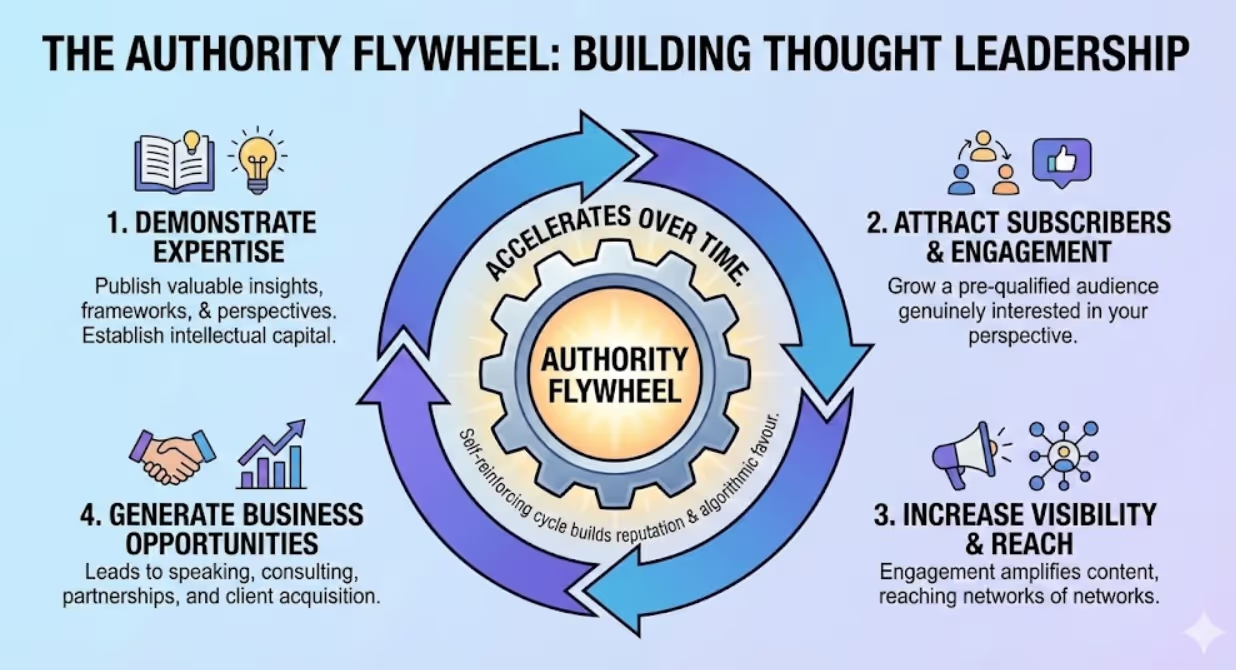
Thought leadership creates a self-reinforcing cycle. Your newsletter demonstrates expertise, which attracts subscribers and engagement. Engagement increases visibility, bringing more subscribers. Those subscribers share your content within their networks, exponentially expanding reach. Some readers become clients, providing case studies and results that strengthen future content.
This flywheel accelerates over time. Your hundredth newsletter edition reaches dramatically more people than your tenth because you've built subscriber base, algorithmic favour, and reputation.
Differentiation Through Perspective
Markets are crowded with service providers claiming expertise. Newsletters separate pretenders from genuine authorities. Anyone can claim to be an expert. Consistently publishing valuable insights that help readers solve real problems? That requires legitimate knowledge, discipline, and commitment.
When two similarly credentialed professionals compete for an opportunity, the one with an established newsletter demonstrating their thinking wins. The newsletter provides tangible proof of expertise and gives decision-makers confidence they're selecting the right person.
Setting Up Your LinkedIn Newsletter for Success
The foundation you establish determines your newsletter's long-term trajectory. These initial decisions matter significantly.
Choosing Your Newsletter Name
Your newsletter name should communicate clear value whilst remaining memorable. Avoid clever wordplay that obscures the topic. "Marketing Mastery Weekly" tells readers exactly what to expect. "The Maven Minute" requires explanation.
Effective naming approaches include problem-solution format ("Scaling Without Burnout"), outcome-focused titles ("Revenue Growth Insights"), industry-specific positioning ("Australian B2B Marketing Trends"), or framework branding ("The SCALE Method Newsletter").
Your name can incorporate your personal brand or company name if already established, but prioritise clarity. "Sarah Chen's Leadership Newsletter" works if Sarah Chen is a recognized name. If you're building recognition, focus on topic value: "Modern Leadership Strategies."
Crafting Your Newsletter Description
The description appears when people discover your newsletter and consider subscribing. It must answer one critical question: "What's in it for me?"
Effective descriptions include a specific value proposition (what subscribers gain), publication frequency (setting expectations), target audience (who it's for), and unique perspective (what makes it different).
Example: "B2B Marketing Strategies delivers actionable growth tactics for Australian SME owners every Tuesday. No fluff, no theory—just proven strategies generating real revenue growth. If you're building a business between $1-20M annual revenue, this newsletter provides the marketing intelligence your competitors aren't sharing."
This description specifies value, audience, frequency, and differentiation in just 50 words.
Establishing Publication Frequency
Consistency beats frequency. Publishing monthly on schedule builds more trust than publishing weekly but missing editions regularly. Your audience needs to know when to expect your content.
Most successful thought leadership newsletters publish weekly or fortnightly. Weekly provides regular touchpoints that maintain top-of-mind awareness. Fortnightly allows deeper research and development of substantial insights whilst remaining consistent.
Avoid daily publication unless you have dedicated editorial resources. Daily newsletters work for news curation but rarely for thought leadership, which requires original thinking and substantial development time.
According to LinkedIn content strategy research, consistency matters more than frequency—newsletters maintaining regular schedules for 12+ months grow subscribers 340% faster than those with irregular publishing patterns.
Visual Identity and Branding
While LinkedIn controls newsletter layout, you control header images and in-content visuals. Develop a consistent visual identity that makes your newsletter immediately recognizable.
Use a professional header image incorporating your colours, professional headshot, and newsletter name. Maintain this consistently—changing it frequently confuses subscribers and weakens brand recognition.
Within editions, use consistent formatting for different content sections. Perhaps insights appear with a specific icon, case studies with another, action items with a third. This visual consistency helps readers navigate your content and creates professional polish.
Content Strategy: What to Publish
The topics you choose position you in your market. Strategic content selection builds authority whilst attracting your ideal audience.
The 70-20-10 Content Framework
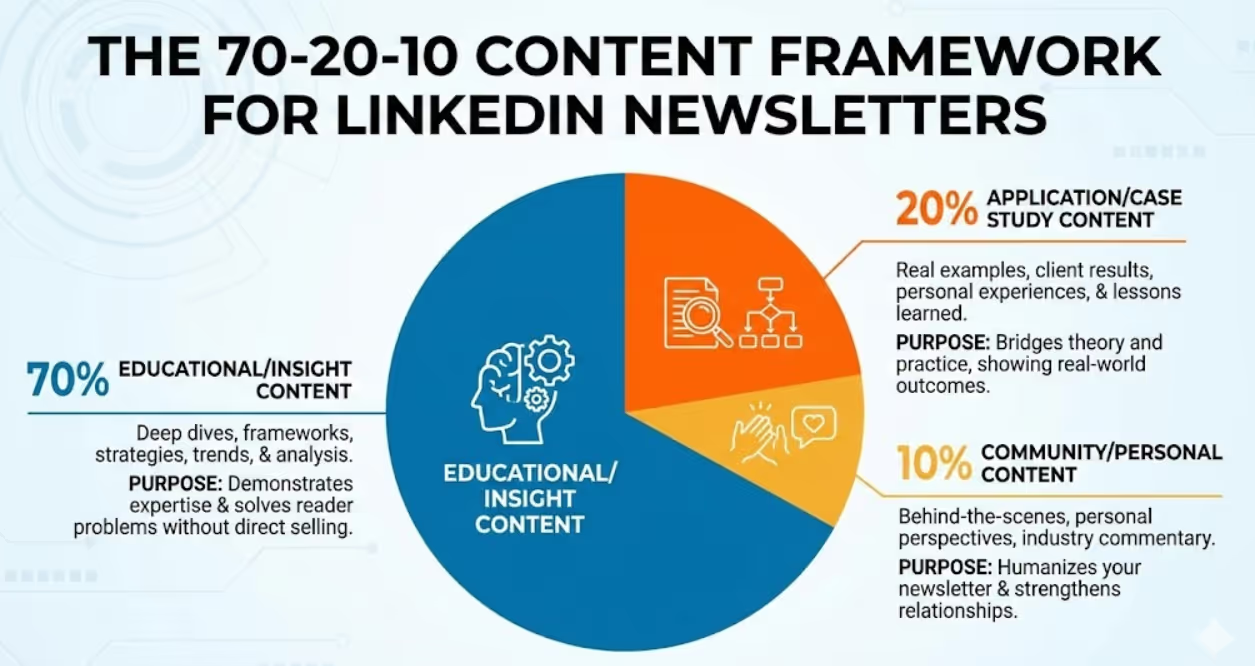
Allocate your newsletter content across three categories:
70% Educational/Insight Content: Deep dives into frameworks, strategies, trends, and analysis that help readers solve problems or understand their domain better. This content demonstrates expertise without selling. Example topics: "The Framework We Use to Identify Product-Market Fit," "Why Most B2B Content Marketing Fails (And How to Fix It)," or "Three Emerging Trends Reshaping Professional Services."
20% Application/Case Study Content: Real examples showing how concepts work in practice. Case studies, client results (anonymised if necessary), personal experiences, and lessons learned. This bridges theory and practice, showing readers that your insights translate to real-world outcomes.
10% Community/Personal Content: Behind-the-scenes looks, personal perspectives, industry commentary, and content that builds connection beyond pure expertise. This humanizes your newsletter and strengthens relationships with subscribers.
This balance maintains value-forward positioning whilst creating enough variety to sustain long-term interest.
Mining Content from Client Work
Your best newsletter content often emerges from client work. The questions clients ask repeatedly, the challenges they struggle with, the misconceptions you correct—these insights form valuable content because you know real people need this information.
After client calls or project milestones, capture recurring themes. When three clients ask similar questions in one month, that's a newsletter topic. When you develop a framework solving a common problem, share it. When a client achieves remarkable results using your methodology, document it (with permission).
This approach ensures your content addresses genuine market needs rather than topics you assume matter.
Developing Signature Frameworks
Thought leaders are remembered for their unique frameworks, methodologies, and models. Your newsletter provides the perfect platform for introducing and elaborating on these intellectual properties.
Develop proprietary frameworks organizing your expertise into memorable, shareable formats. The "5 Cs of Content Marketing," "The Revenue Acceleration Framework," or "The ALIGNED Leadership Model" give readers mental models they can apply whilst associating that framework with you.
Introduce frameworks across multiple newsletter editions—overview in one edition, deep dive into each component in subsequent editions, case studies showing application, reader questions and refinements. This serialized approach builds anticipation whilst thoroughly establishing the framework.
Curating Industry Insights
Original thinking matters most, but strategic curation adds value whilst reducing content creation burden. Curated newsletters analyze multiple perspectives on industry trends, synthesize insights, or provide annotated reading lists.
The key is adding substantial original commentary. Don't just link to five articles—explain what each reveals, how they connect, what readers should conclude, and how to apply these insights. Your curation value comes from synthesis and perspective, not aggregation.
Addressing Controversial Topics
Thought leaders don't shy away from industry debates or controversial positions. Taking clear stances on divisive topics strengthens your positioning, attracts aligned audiences, and differentiates you from safe, generic content.
When addressing controversial topics, ground arguments in evidence and experience rather than just opinion. Acknowledge legitimate alternative perspectives whilst articulating why you've reached different conclusions. Invite respectful debate in comments.
Controversy for attention-seeking backfires. Controversial positions grounded in genuine expertise and conviction build respect even among those who disagree.
Writing Compelling Newsletter Content
Format matters as much as substance. How you structure and write your newsletter determines whether subscribers read, engage, and share.
The Hook: First Three Sentences
Busy professionals scan quickly. Your opening three sentences determine whether readers commit to your full edition or skim briefly then move on.
Effective opening hooks include provocative questions ("What if everything you know about leadership is backwards?"), counterintuitive statements ("The best marketing strategy is usually the one you're actively avoiding"), compelling statistics ("83% of B2B buyers ignore vendor content—here's why"), or story openings that create curiosity.
Avoid generic introductions like "In this edition, I'll discuss..." or "I've been thinking about..." Start with impact that demands continued reading.
Structure for Scanability
Research on professional content consumption shows 79% of LinkedIn users scan content before deciding whether to read thoroughly. Structure your newsletter for scanability with clear subheadings every 150-250 words, bullet points for lists and key takeaways, bold text highlighting critical concepts, and white space breaking up text-heavy sections.
When someone quickly scans your newsletter, they should grasp the core message and value even without reading every word. Detailed readers get the depth; scanners get the essentials.
The Power of Specificity
Generic advice is forgettable. Specific, actionable guidance is shared, saved, and implemented. Compare:
Generic: "Focus on building strong client relationships."Specific: "Send video check-ins to key clients every 90 days. Record a 60-second video on your phone addressing something specific to their business. This personal touch generates 3x more referrals than generic check-in emails."
Specificity demonstrates real expertise and provides immediate implementation value. It transforms your newsletter from interesting reading to actionable intelligence.
Balancing Depth and Accessibility
Thought leadership requires depth that demonstrates expertise, but excessive jargon or complexity alienates readers. Write for intelligent generalists, not just domain experts.
Explain technical concepts before using them. Provide context for industry-specific references. Use analogies bridging your domain to universal experiences. This accessibility expands your potential audience whilst maintaining intellectual rigour.
The Call-to-Action Framework
Every newsletter edition should guide readers toward a specific next action, but not always a commercial one. Strong CTAs include asking thoughtful questions that prompt comments, requesting readers to share with specific people who'd benefit, linking to resources providing additional depth, inviting connection requests from readers interested in specific topics, or occasionally promoting relevant services, events, or offers.
Vary your CTAs. Constantly pushing commercial offers exhausts goodwill. Build engagement through value-forward CTAs (comment, share, explore) with occasional commercial opportunities for those ready to engage more deeply.
Growing Your Subscriber Base Strategically
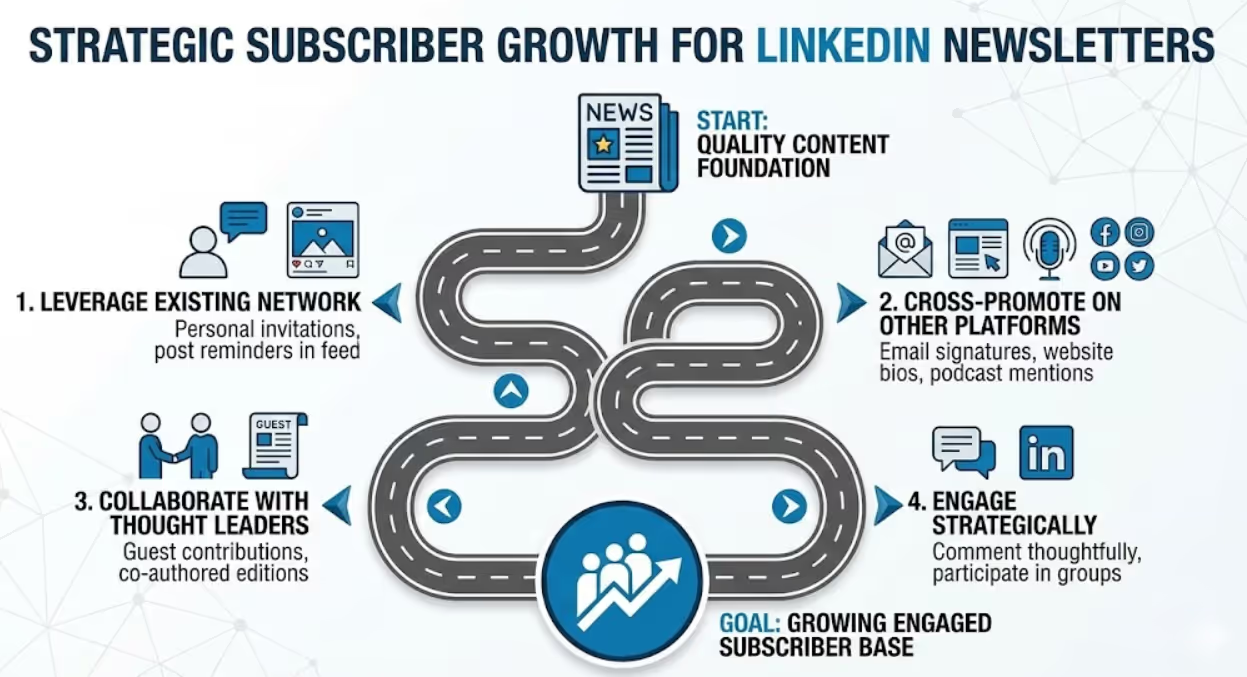
Publishing excellent content matters little if nobody reads it. Strategic subscriber growth ensures your expertise reaches the audiences who value it most.
Leveraging Your Existing Network
Your current LinkedIn connections represent your warmest subscriber prospects. They've already expressed interest in you professionally by connecting. When launching your newsletter, personally message connections explaining your newsletter's value and inviting subscription.
Avoid mass messages. Personalize invitations to groups: "Hi [Name], knowing your interest in [topic], I thought you'd find value in my new newsletter about [specific benefit]. I'd love to have your perspective in the community I'm building."
For each new edition, post about it in your regular feed, encouraging followers to subscribe if they found value. Some percentage of your engaged followers will convert to subscribers with each reminder.
Cross-Promoting on Other Platforms
If you have email lists, other social media followings, a website, or a podcast, leverage these audiences for newsletter growth. Include newsletter subscription CTAs in email signatures, add newsletter links to website bios and resource pages, mention the newsletter in podcast episodes or YouTube videos, and promote it through other social channels.
This cross-promotion works bidirectionally—your newsletter can also drive traffic to these other platforms, creating an integrated content ecosystem.
Collaborating with Other Thought Leaders
Guest contributions or collaborations with complementary thought leaders expose your newsletter to new audiences. Interview other experts for your newsletter, co-author special editions with strategic partners, or contribute guest editions to established newsletters in exchange for promotion.
When you provide value to someone else's audience, a portion of those readers often subscribe to your newsletter to access more of your perspective.
Engaging Strategically in LinkedIn Conversations
Active participation in LinkedIn conversations beyond your newsletter builds visibility and attracts subscribers. Comment thoughtfully on posts from industry leaders and potential subscribers, share others' content with your perspective added, participate in relevant LinkedIn Groups, and answer questions in your domain, linking to relevant newsletter editions when appropriate.
This engagement positions you as helpful and knowledgeable, making people more likely to subscribe when they discover your newsletter.
Using LinkedIn Ads Selectively
LinkedIn advertising can accelerate subscriber growth, though organic methods should be prioritised first. When you do advertise, target very specifically—your ideal client profile, not broad professional categories.
Promote your strongest performing newsletter editions as ads, driving traffic that both reads that content and converts to subscribers. Track cost-per-subscriber closely to ensure advertising provides reasonable ROI.
Engagement Tactics That Build Community
Subscribers are valuable, but engaged subscribers are extraordinary. They amplify your content, provide insights, generate referrals, and ultimately convert to business opportunities.
Asking Questions That Matter
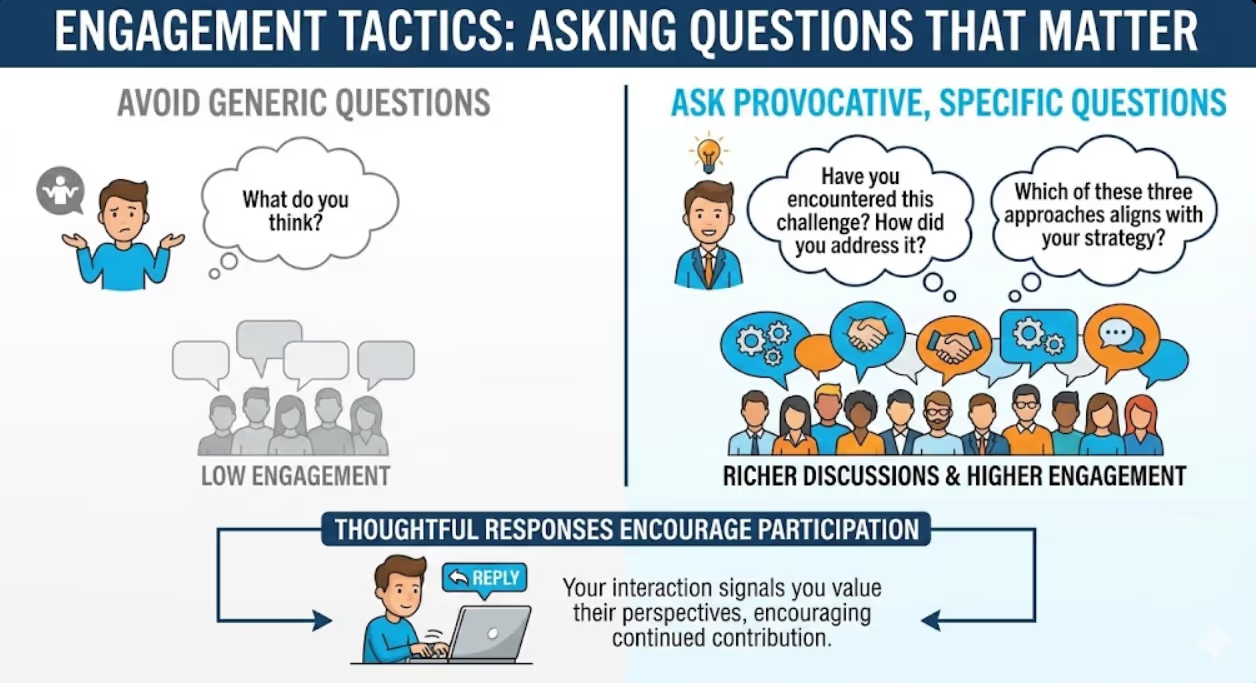
Every newsletter should include questions prompting reader reflection and response. But not generic questions—specific, provocative questions that tap into readers' experiences and challenges.
Instead of "What do you think about this topic?", ask "Have you encountered this challenge? How did you address it?" or "Which of these three approaches aligns with your strategy?" Specific questions generate specific responses, creating richer discussions.
When readers comment, respond thoughtfully. This interaction signals that you value their perspectives, encouraging continued engagement whilst making other subscribers more likely to contribute.
Featuring Reader Insights
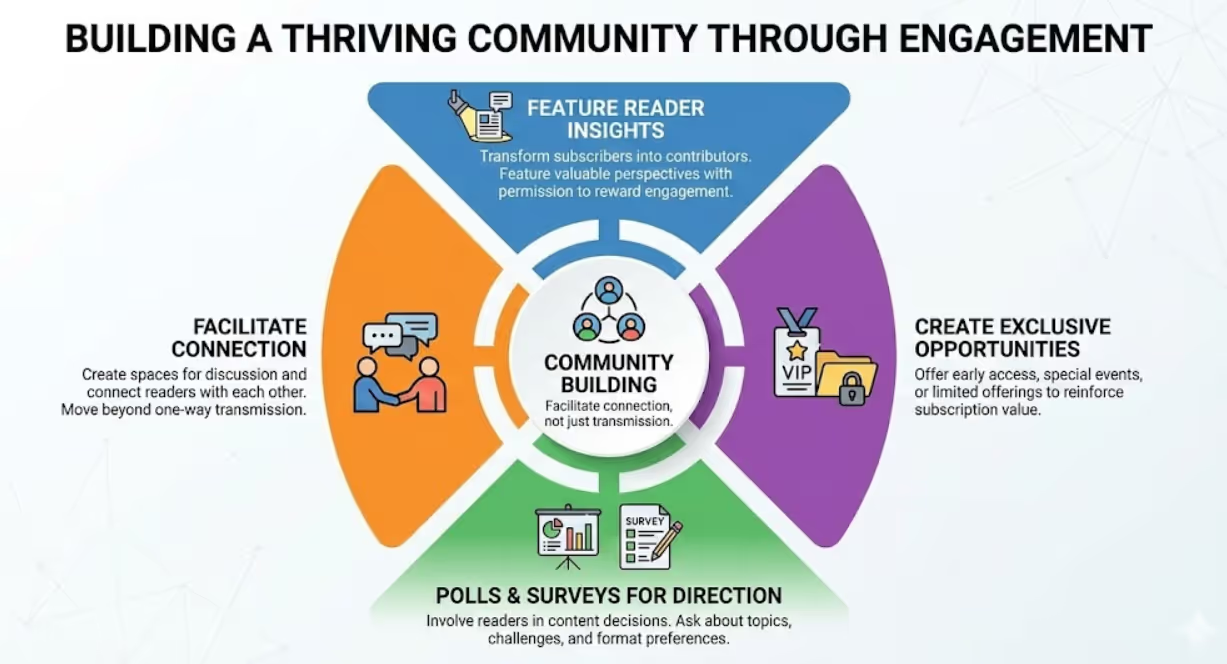
Transform engaged readers into content contributors. When readers share valuable perspectives in comments, feature their insights in subsequent editions (with attribution and permission).
"Last week, subscriber Michael Chen shared a fascinating alternative approach..." This recognition rewards engagement, encourages others to contribute, and provides diverse perspectives that strengthen your content.
Creating Reader-Exclusive Opportunities
Offer occasional opportunities exclusively to newsletter subscribers—early access to resources, invitations to special events, exclusive office hours, or first opportunity to purchase limited offerings.
This exclusivity reinforces subscription value and creates stronger relationships with your most engaged audience members.
Polls and Surveys for Reader Direction
Use LinkedIn polls (in regular posts promoting your newsletter) or external surveys to involve readers in content direction. Ask what topics they want covered, what challenges they're facing, or how they prefer content formatted.
This involvement creates investment in your newsletter's success whilst ensuring your content addresses genuine reader needs.
Measuring Success Beyond Subscriber Count
Vanity metrics are seductive but often meaningless. Focus on metrics indicating genuine impact and progress toward your thought leadership objectives.
Subscriber Growth Rate
Absolute subscriber count matters less than growth rate. A newsletter growing 15% monthly demonstrates momentum and market fit. Stagnant subscriber numbers suggest content or promotion issues requiring attention.
Track not just total growth but source attribution. Are subscribers coming from your network, search discovery, shares, or other channels? Understanding sources helps optimize growth strategies.
Open and Click-Through Rates
LinkedIn provides approximate open rates (how many subscribers viewed your edition) and click-through rates (how many clicked links within your content). These metrics indicate content relevance and engagement quality.
Open rates above 40% suggest strong subscriber engagement. Below 25% indicates either declining content quality, poor headline appeal, or subscriber list degradation (people who subscribed but lost interest).
Click-through rates show whether readers find your content valuable enough to explore further. Higher CTRs typically correlate with more actionable, resource-rich content.
Engagement Quality
Comments, shares, and reactions indicate how deeply your content resonates. Track these metrics over time, noting which content types generate strongest engagement.
Pay special attention to comment quality. Ten thoughtful, substantive comments indicating deep engagement matter more than fifty generic "Great insights!" reactions.
Profile Visits and Connection Requests
Your newsletter should drive readers to learn more about you. Track profile visits and connection requests, particularly spikes following newsletter publications. Strong editions should generate noticeable increases in both metrics.
When connection requests reference your newsletter specifically, you're successfully converting readers into network relationships that can develop into business opportunities.
Business Outcomes
Ultimately, thought leadership should generate business results—speaking opportunities, consulting inquiries, partnership proposals, or client acquisitions. Track how many business opportunities originate from newsletter readers.
Ask new clients or partners how they discovered you. When they mention your newsletter, you're documenting ROI that justifies continued investment.
Common Newsletter Mistakes to Avoid
Even experienced professionals make preventable mistakes that undermine newsletter effectiveness. Awareness prevents these pitfalls.
Inconsistent Publishing
Nothing damages newsletter credibility faster than unreliability. If you commit to weekly publication, publish weekly—even when you're busy, uninspired, or uncertain about topic quality.
Buffer content during productive periods to maintain consistency during challenging times. Write 2-3 editions ahead of schedule, giving yourself flexibility without breaking commitments to subscribers.
Overly Promotional Content
Newsletters that constantly sell repel subscribers. The appropriate promotional content ratio is roughly 10%—one in ten editions can be primarily promotional if the other nine deliver pure value.
Even when promoting, frame offers around subscriber benefit, not your desire to sell. "I'm hosting a workshop on [topic we've discussed] for readers wanting hands-on implementation support" feels service-oriented. "Buy my workshop!" feels pushy.
Ignoring Analytics
Publishing without examining performance data is operating blindly. Review analytics for each edition—what worked, what didn't, what prompted engagement, what fell flat.
Use this data to refine your approach continuously. Double down on content types generating strong response. Eliminate or modify approaches consistently underperforming.
Writing for Yourself Instead of Readers
Your newsletter serves your audience, not your ego. Content must address their challenges, interests, and aspirations—not just topics you find personally fascinating.
Continuously validate that your content resonates with subscriber needs. When engagement drops, you may have drifted from audience-centric content toward self-indulgent topics.
Neglecting Community Building
Newsletters aren't monologues—they're community hubs. Readers want to engage with you and each other. Facilitate this connection through thoughtful questions, reader features, comment responses, and creating spaces for discussion.
Newsletters that cultivate community generate far more value than those treating content as one-way transmission.
Advanced Strategies for Established Newsletters
Once you've built momentum, these advanced tactics amplify impact and accelerate thought leadership development.
Serialized Deep Dives
Rather than standalone editions, create multi-part series exploring complex topics across several weeks. This approach allows unprecedented depth whilst building anticipation for subsequent installments.
Example: "The Complete Guide to B2B Content Strategy" could unfold across six weekly editions, each covering specific components while building toward comprehensive mastery.
Serialized content keeps readers returning and positions you as the definitive authority on that topic.
Guest Expert Contributions
Invite complementary experts to contribute editions or co-author content. This provides fresh perspectives for your readers whilst exposing your newsletter to the guest's audience.
Choose guests strategically—those with overlapping but non-competing expertise whose audiences align with yours. Make guest contributions valuable for all parties: quality content for subscribers, audience exposure for guests, relationship building for you.
Multimedia Integration
While LinkedIn newsletters are primarily text-based, strategically incorporating embedded videos, audio clips, infographics, and presentations increases engagement and accommodates different learning preferences.
A video explaining a complex framework alongside written analysis serves both visual and reading-oriented subscribers. Just ensure multimedia enhances rather than replacing substantive written content.
Reader Spotlights and Case Studies
Feature subscriber success stories showing how your insights translate to real results. "Reader Jennifer implemented the framework from edition #42 and achieved [specific outcome]" provides social proof whilst recognizing engaged readers.
These features strengthen community bonds, encourage implementation, and provide compelling evidence of your content's practical value.
Exclusive Subscriber Resources
Create resources available only to newsletter subscribers—templates, checklists, frameworks, or tools referenced in your content. Gate these resources behind newsletter subscription, providing additional subscription incentive.
Example: "Download the complete Content Strategy Template referenced in this edition—available exclusively to newsletter subscribers at [link]."
This approach rewards subscribers whilst creating tangible differentiation from non-subscribers.
Monetization Strategies for Thought Leaders
While thought leadership newsletters primarily build authority and relationships, strategic monetization creates direct revenue whilst serving subscriber needs.
Premium Subscription Tiers
LinkedIn doesn't natively support paid newsletters, but you can offer premium tiers through external platforms like Substack or Patreon, promoted to your LinkedIn subscribers.
Free editions provide substantial value accessible to all. Premium tiers offer additional depth, exclusive content, direct access, or community membership for subscribers wanting deeper engagement.
Speaking and Consulting Opportunities
Your newsletter serves as extended proof of expertise, positioning you for speaking engagements and consulting opportunities. Include subtle CTAs inviting readers to contact you about speaking or advisory services.
Many thought leaders discover their newsletter becomes their most effective business development tool—generating higher-quality leads than any traditional marketing approach.
Sponsored Editions
As your subscriber base grows, relevant sponsors may pay to reach your audience. Sponsored editions must align with your content and provide genuine value to readers, not just advertise sponsors.
Maintain strict editorial control. Sponsored content should match your quality standards and serve reader interests, with clear disclosure about sponsorship.
Digital Products and Courses
Your newsletter content often reveals opportunities for packaged intellectual property—courses, templates, certification programs, or digital resources expanding on newsletter topics.
Promote these to subscribers as natural extensions of newsletter value for those wanting structured, comprehensive implementations of concepts you've introduced.
Case Studies: Thought Leaders Winning with Newsletters
Real examples illuminate principles in practice.
Ryan Roslansky - "The New World of Work"
LinkedIn's own CEO publishes a quarterly newsletter examining how work is evolving. Rather than promoting LinkedIn products, he provides genuine insights about workplace trends, remote work, skills development, and career navigation.
This content positions him as a forward-thinking leader whilst subtly reinforcing LinkedIn's relevance to these conversations. His newsletter averages 400,000+ subscribers with exceptional engagement rates.
Arianna Huffington - "On My Mind"
The Thrive Global founder publishes weekly newsletters covering well-being, productivity, and work-life integration. Her content mixes personal reflections with research-backed insights and practical applications.
This combination of vulnerability and expertise creates powerful connection whilst establishing her authority on human thriving in professional contexts. Her newsletter has driven speaking opportunities, partnerships, and business development.
Adam Grant - "Granted"
Organizational psychologist Adam Grant's newsletter extends his bestselling books with additional research, reader Q&As, and applications of organizational psychology principles to current events.
His strategic use of evidence-based insights combined with accessible writing demonstrates how academic expertise translates to thought leadership impact. His newsletter subscribers frequently become book buyers, speaking hosts, and consulting clients.
Australian Example: Valerie Khoo
Author and entrepreneur Valerie Khoo publishes newsletters about writing, creativity, and entrepreneurship targeted at Australian professionals. Her content balances practical writing advice with entrepreneurial insights and personal creative journey reflections.
By serving a specific geographic and professional niche, she's built a deeply engaged audience that has translated to book sales, course enrollments, and speaking opportunities throughout Australia.
Overcoming Common Challenges
Even well-planned newsletters face obstacles. Anticipating challenges helps navigate them successfully.
Writer's Block and Content Fatigue
Maintaining consistent publishing over months or years inevitably includes periods of reduced inspiration. Combat this with content systems rather than relying on motivation.
Maintain a rolling list of potential topics drawn from client conversations, industry news, reader questions, and personal observations. When facing a blank page, consult this list rather than starting from scratch.
Batch content creation during high-energy periods, writing multiple editions when inspiration flows to sustain publication during slower creative times.
Declining Engagement Over Time
Even successful newsletters eventually experience engagement plateaus or declines. When this happens, survey subscribers about changing interests or needs, experiment with new content formats or topics, invite guest contributors providing fresh perspectives, or create special series reigniting interest.
Sometimes a brief hiatus (clearly communicated) allows you to return refreshed with renewed energy and perspective.
Managing Subscriber Expectations
Subscribers develop expectations based on your established patterns. Dramatically changing content style, frequency, or topic focus can alienate existing subscribers even while attracting new ones.
If evolution is necessary, communicate transparently about changes and reasons. Some subscriber churn is acceptable if you're aligning content more closely with your expertise and interests.
Time Management
Quality newsletters require substantial time investment—research, writing, editing, promotion, and engagement. Protect this time by scheduling dedicated content creation blocks, delegating or outsourcing supporting tasks where possible, or using AI tools for research and first-draft development (while maintaining your unique voice and insights).
Your newsletter is business development infrastructure, not a hobby. Allocate time accordingly.
The Long Game: Building Lasting Authority
Thought leadership isn't a sprint—it's a marathon requiring sustained commitment and strategic patience.
The 100-Edition Milestone
Publishing 100 newsletter editions represents approximately two years of weekly publication. This milestone signifies exceptional commitment and creates substantial intellectual capital demonstrating undeniable expertise.
Very few professionals achieve this milestone, immediately distinguishing you from vast competition. Your hundredth edition isn't just another publication—it's proof of sustained authority building that opens doors previously closed.
Compound Returns
Newsletter impact compounds. Your fiftieth edition benefits from the authority established by the previous 49. Subscribers attracted by edition 75 can explore your entire archive, finding value across dozens of previous publications.
This compounding effect means your second year of publishing typically generates 3-5x the business impact of your first year, even with similar subscriber growth rates.
Becoming the Go-To Authority
Consistent, valuable publishing over extended periods transforms you into the default expert others reference, quote, and recommend. When someone needs expertise in your domain, your name becomes automatic because you've demonstrated knowledge, consistency, and commitment through your newsletter.
This positioning translates to opportunities that cannot be purchased—speaking invitations, media requests, strategic partnerships, and ideal client inquiries that bypass competitive processes because you're the obvious choice.
Start Building Your Thought Leadership Platform
LinkedIn Newsletters provide unprecedented opportunity for professionals willing to commit to consistent, valuable publishing. The barrier to entry is low—no technical skills, no website necessary, no email marketing platform required. LinkedIn provides the infrastructure; you provide the insights.
The barrier to success, however, is high—maintaining quality and consistency over months and years as others lose momentum. This creates opportunity. By outlasting the majority who start but don't sustain newsletters, you position yourself among the small percentage who achieve genuine thought leadership impact.
Your expertise deserves a platform. Your insights can help thousands of professionals navigate challenges, achieve goals, and advance careers. Your business benefits from the authority, relationships, and opportunities that strategic thought leadership generates.
The question isn't whether you have valuable knowledge to share—you do. The question is whether you'll commit to sharing it consistently and strategically through a platform that rewards sustained excellence.
Launch Your Thought Leadership Journey Today
Establishing yourself as an industry authority through LinkedIn Newsletters requires more than good intentions—it demands strategic planning, consistent execution, and deep understanding of what resonates with professional audiences.
At Maven Marketing Co, we specialise in helping executives, consultants, and business leaders develop and execute thought leadership strategies that establish authority, build engaged audiences, and generate measurable business outcomes. Our team has guided dozens of professionals through successful newsletter launches, content strategy development, and sustained growth that transforms expertise into influence.
Ready to establish your authority and reach your ideal audience through strategic LinkedIn publishing? Let's discuss how a well-crafted newsletter strategy can position you as the go-to expert in your domain. Visit mavenmarketingco.com.au to schedule your complimentary thought leadership consultation and discover how to transform your expertise into influence that drives business growth.

Table of contents
read more blogs
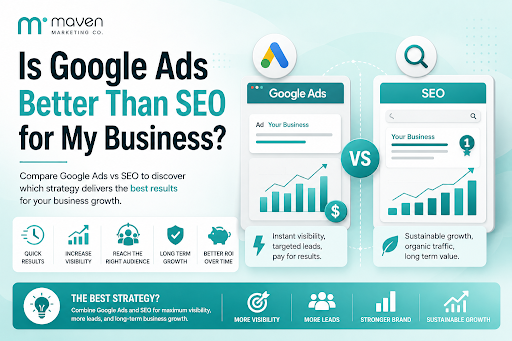
Is Google Ads Better Than SEO for My Business
One of the biggest questions business owners ask when they are planning online growth is whether they should invest in Google Ads or SEO. Both are strong marketing plays that help your company show up in Google search results, but they do things in separate lanes. Google Ads gives quicker visibility and can bring in leads fast, whereas SEO more or less focuses on slow, steady organic traffic that tends to grow the longer you keep building it. Picking the right direction depends on what you want to achieve, how much money you can spend, how crowded the market is, and how quickly you need results, like sooner rather than later. The good news is you don’t always have to choose one or the other; it’s not exactly a black-and-white situation. If you take time to understand the strongest points of both, you can put together a more sensible digital marketing plan that supports consistent expansion. In this guide, we’ll compare Google Ads vs SEO, explain the main differences, and help you figure out what option makes the most sense for your business.

When Should I Hire a Digital Marketing Agency
Growing a business today takes more than just having a website or throwing a post on social media; customers usually search around online, compare providers, skim reviews, and basically expect the brand to show up with a solid digital presence before they even think about buying. Many businesses try to run their marketing themselves, but there comes a point when “doing it all in-house” becomes clunky and hard to manage, all at once. Knowing when to hire a digital marketing agency can end up making a big, real difference for your growth. If you’re not getting enough leads, or your online visibility feels stuck, or sales are just not moving, the right agency can bring the know-how, plus a clear plan, to help you get noticeably better outcomes. In this guide, we’ll dig into what a digital marketing agency actually does, the usual signs it’s time to bring one on, and how picking the right marketing partner can help your business move forward at a faster pace.
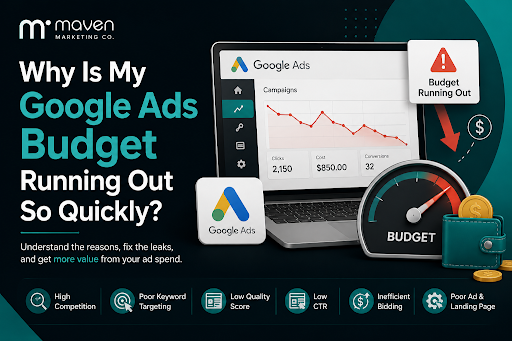
Why Is My Google Ads Budget Running Out So Quickly
Running a successful Google Ads budget isn’t only about throwing more money at it. It’s more like making every dollar, doing a bit extra. A lot of businesses start a Google Ads campaign with big hopes, then find out their daily budget is gone within a few hours, and that feels weird, right? After that, your ads stop showing effectively, new leads slip away, and your return on investment dips. So if your Google Ads budget is running out too fast, don’t stress. It’s a fairly common issue, and in most situations, it can be repaired with the right approach. There are multiple little things that can drain your advertising money quicker than you expected, from costly keywords to audience targeting that just doesn’t quite fit. In this guide, we’ll walk through why your budget disappears so quickly, how to cut wasteful spend, and the most reliable ways to boost your Google Ads ROI, even if your budget stays the same.